This week, ending 2nd September, the governments of Namibia and Indonesia will be putting into action the ambitious joint agriculture plan that has been dormant since the signing of a memorandum of understanding between the two countries in March 2011.
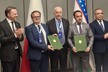
Agriculture minister John Mutorwa welcomed a delegation of agricultural experts from Indonesia earlier this week for the first meeting of the joint working committee that comprises three Namibians and three Indonesians.
Areas of cooperation between the two countries include the design of a new quarantine structure and an administrative system for Namibia, as well as an exchange of phytosanitary information on plant pests and diseases and an exchange of information on plant health status.
Indonesian Ambassador to Namibia, Eddy Basuki, stressed the importance of the first meeting of the working committee and the implementation of a comprehensive work plan that covers a vast terrain of agricultural activities.
The action plan will also look at ways of enhancing rainwater and nutrients use-efficiency for improved crop production as well as a study of the nutrient dynamics and factors affecting fertiliser use under variable soil conditions.
Acting Permanent Secretary Sophia Kasheeta announced that four Namibians have already been trained for proficiency testing of fertilisers and agriculture remedies.
The working committee is also tasked with increasing product development through value addition, capacity building on plant and animal health and the protection of animal and plant genetic material.
The committee must ultimately also facilitate bilateral trade on agricultural products and establish cooperation between the two countries on agro-industrial technology development. This will include jointly identifying and developing post-harvest food processing, preservation and packaging technologies of, for example, fresh fruit.
Source: newera.com.na