Asparagus has become a cult vegetable, and every year chefs and consumers eagerly await the start of the season. The white asparagus are one of the most popular vegetables with German consumers. About 86 percent of the asparagus the German consumer buys is produced in Germany.
“That is a sign of real appreciation and a good example of regionalism and of the excellent quality and taste of German vegetables. Clearly, ‘Germany is tasty’ " states Armin Rehberg, CEO of Landgard.
The first German asparagus already harvested in March
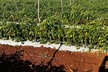
Due to the mild weather asparagus from Rhineland and Niederrhein are already available around Easter, which is four weeks earlier than the previous year. The other German asparagus regions will follow suit. With technical adjustments the asparagus can be available even sooner. Examples of these adjustments are the plastic covers that retain the warmth of the sun and speed up the growth of the asparagus. The mild taste is improved by an even and fast growth of the asparagus.
German acreage increased
In 2015 about 114,000 metric tons of asparagus were harvested. Two thirds of the amount is harvested in Niedersachsen (25,200 metric tons), Bayern (18,400 metric tons), North Rhine-Westphalia (18,000 metric tons) and Brandenburg (15,300 metric tons). The asparagus roots form significantly more shoots during cold weather than during a winter with milder temperatures, which was the case during this winter. The expectations of a slightly lower yield increase the expected prices. The adjustments to the minimum wages will also influence the prices of the asparagus compared to the previous year. In 2015 the consumers paid approximately 6.56 Euros per kilo for German asparagus.
Mainly manual labor
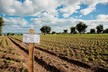
The cultivation of asparagus is in most regions is done by manual labor. Some companies that cultivate asparagus on larger surfaces, mainly in Brandenburg, Sachsen and Sachsen-Anhalt, use additional semi or fully automatic harvesters. The harvesters can work on up to 12 rows in one go and perform various essential tasks, from turning the plastic covers to fully automated harvesting. However many companies still choose to harvest the asparagus manually, because the quality of the harvest is better. Since experienced harvesters can recognize the optimal time of harvesting.
Regional and German supply
The producers' cooperative Landgard is, with its 3200 members, one of the largest German asparagus sellers and offers asparagus from many German regions. The producers' cooperative, with a constant access to regional asparagus, mainly sells asparagus in bundles and in flow-packs of 500 gram and loose asparagus. Regional availability is the first priority, however, if the demand cannot be met with regional products then Germany as country of origin is the next step. The members of Landgard are mainly situated in Rhineland and in Westphalia, these members are older farms of small to medium sizes. The larger member companies are in the eastern parts of the country.
Landgard is dedicated to a range of products from German farms, not only asparagus. For the campaign “Deutschland schmeckt“ (Germany is tasty) Landgard meets the consumers’ demands to recognize the origin of the products easily and quickly. Those labels include the guarantee of environmentally friendly logistics, shorter transport distances and high product safety. And the support of German farmers and producers is an additional and important reason for German consumers to choose regional vegetables.
German asparagus leads in Europe
According to the Agricultural Market Information Organization (AMI) asparagus are grown on 20,595 hectares in Germany, which is an increase of 2.3% compared to the previous year. And according to the German Federal Statistical Office asparagus cultivation uses the largest surface in the German vegetable cultivation. Germany has developed into the largest supplier of asparagus in Europe.
German asparagus is currently exported to France and Belgium. The export opportunities are interesting for the German producers because these countries prefer thicker asparagus with violet tips. In 2015 German consumers bought approximately 2.18 kilo asparagus per household. The share of green asparagus and the organic asparagus increased to 6% with a 30% higher price.
Source: Landgard