On March 10, Copa and Cogeca sent a letter to the
EU Commission calling for EU measures to be
strengthened to prevent black spot disease in citrus
fruit from entering the EU after over 100 cases of the
highly contagious diseases were detected at borders
in imports.
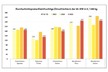
Figures show that 70 cases have been detected from Uruguay, 15 from South Africa, 17 from Argentina and 13 from Brazil.
Copa- Cogeca Secretary-General Pekka Pesonen warned “Unless the EU Commission takes tough action and puts in place real measures to prevent the spread of the contagious disease, there is a real risk it will enter the EU. Figures show that 15 cases were detected at the borders in citrus fruit imports from South Africa in 2015, 25 in 2014, and 35 in 2013. This far exceeds the EU Commissions permissible limit of 5 as set out in EC Decision 2014/422. There were also 70 cases detected this year at the borders in citrus fruit imports from Uruguay, 17 from Argentina and 13 from Brazil. This is unacceptable. The situation is unsustainable. Measures currently in
place are not sufficient.”
He continued “The Commission already stated in its animal and plant health strategy that "prevention is better than cure", yet in the light of the current situation, not enough is being done to ensure that this criteria is met. If the disease enters the EU, it will be the producers who pay the price. There will not be any phytosanitary products to combat the disease. Export markets will be lost and many farmers will have to leave the sector. This puts at stake 600,000 ha and 5,000,000 tonnes of produce as well as thousands of jobs in the EU. For all these reasons, Copa and Cogeca urges the European Commission to revise current EU rules and adopt decisive measures such as automatically banning imports of citrus fruit from areas contaminated with Guignardia citricarpa after the sixth case has been intercepted and closely monitor imports from Argentina. This would prevent the disease from entering the EU.”
He went on to stress that black Spot is a disease that is not present in Europe and its presence could have serious consequences on the citrus sector in producer countries. The EU citrus fruit sector is crucial both from an economic and social point of view. It provides the EU with high
quality produce, at the same time as ensuring employment for millions of people in EU rural areas, both upstream and downstream, especially in southern countries. “We cannot take the risk of importing the disease. The impact would be catastrophic for EU citrus fruit producers,” he said.
For more information:
Dominique Dejonckheere
Senior Policy Advisor
Tel: +32 2 287 27 30
Amanda Cheesley
Press Officer
Mob: + 32 474 840 836