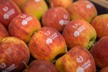
University of Minnesota scientist David Bedford, at a recent talk, explained how apple varieties at the university receive their names and why each apple has a pair– a flashier trademark name like SweeTango and Pizzazz, as well as a more mundane variety name, such as Minneiska or MN55.
In 107 years of developing varieties, the school has created 27 new apples — some as well know as Haralson and Fireside, as well as newer ones like Frostbite and Jazz — and two names are required for each.
All apples have a variety name, which is used more in legal descriptions when filing for a patent application. These names are rarely known to and never used by the general public. The trademark name, however, is the better-known name. It's used almost exclusively for marketing purposes, and further, for only a certain high grade of fruit, Bedford said.
For example, the SweeTango is the recognizable trademark name for an apple actually called Minneiska. As Bedford explained, the name of the tree is Minneiska, as is the fruit that comes from it, before it heads to market. The name SweeTango, which is licensed, allows sellers to use that name in order to market the variety. The apples must meet certain requirements before the name can be attached. If they don't, they can't be called by their trademark name.
"Fruit that comes from those Minneiska trees comes off as Minneiska fruit, and if it's good enough and meets the standards, it can be sold as a SweeTango fruit," Bedford said.
Variety names, Bedford said, are easier to select and can be as general as a number, such as MN55. Others, though, such Minneiska, are named for places, while some people have had varieties named after them. Trademarked names, however, are more regulated. They must be distinct and not confused for other products in the marketplace.
"And interestingly enough, the variety name and trademark name cannot be the same, and we learned that one the hard way," he said, referring to the university's attempt to release the Honeycrisp using just that name for both.
But the trademark name has to be unique. Several years ago when the university was about to release its newest apple, the name was flagged by Keebler because that company had a cracker by the same name. Because Zesta! wasn't widely known and because a court battle would cost money, the school simply added a letter — and Zestar! was born.
Source: postbulletin.com