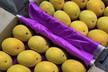
Mango growers have the best prospects possible this season, since the plants had a good flowering, the fruits have grown well and the figures achieved in the 2014-15 campaign could easily be surpassed, according to the president of the Association of Mango Producers and Exporters (EMPA), Juan Carlos Rivera.
However, he adds that the big question is when the rainy season will start as a result of El Niño, as the results of the campaign will depend on that, says Rivera.
"In the best case scenario, it will rain in February, because by that time 90% of the campaign will already be completed, but if it rains before, it will become difficult to reach the goal, because it would no longer be possible to harvest for export. Also, you cannot export in the rainy season, since the product then doesn't comply with the phytosanitary requirements because of the impact of pests like flies, fungi and bacteria, which affect the quality of the fruit," he explains.
We are ready
Juan Carlos Rivera points out that, given the forecast for El Niño, the region's mango producers and exporters have taken precautions to protect their plantations, packing plants and warehouses. They have also built drains for the rain. "We are ready," he assures.
However, he notes that, in anticipation of the rains, many have started the harvest early, but "if the mango is not physiologically mature, it will reach its destination in bad condition and this might take a negative toll on the market, harming the good reputation of Peruvian mangoes," he affirms, with some concern.
He adds that producers are familiar with the harvesting procedures and that it is in their hands to look after the market, since the biggest loser will be the producer, who will not receive the agreed price.
Source: eltiempo.pe