Biosecurity Queensland have had almost 70 people working on the response since the beginning of March with a further 20 people joining the effort on Monday. An Australian Banana Growers’ Council (ABGC) field officer and assistant on Saturday destroyed the 10 infected plants and 200 surrounding plants on behalf of the family that owns the infected farm. The plants are being injected and left onsite. “The plants are being injected with chemicals to reduce any risk of disease spread and they will be left onsite.“We will continue to monitor the farm and surrounding area for any further signs of the disease in the weeks and months ahead,” said Chief Biosecurity Officer Dr Jim Thompson.
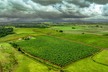
A total of 16,000 plants on a 10-hectare section of the quarantined farm are expected to be destroyed to help prevent the spread of the Panama TR4 pathogen. The farm is 240 hectares with about 160 hectares planted with bananas.That will require sustained effort from banana growers on the Cassowary Coast and other North Queensland growing regions, many of whom have been attending meetings in the regions at Tully, Innisfail and Mareeba to receive updates on the situation, and find out what they should be doing to protect their farms.
Mr Buchanan said that the meetings have been ‘good at keeping people up to date’ however some growers were still unsure about correct procedures for some decontamination measures, for example the correct chemicals to use to wash down vehicles.
Both the ABGC and Biosecurity Queensland have made resources available to assist farmers to ensure they follow the ‘come clean, leave clean’ directive, and ABGC Chairman Doug Phillips offered his thanks to growers for their cooperation, and expressed cautious optimism at the news that there have been no other plants in the North Queensland growing regions that have tested positive for Panama TR4, from 150 samples sent for testing. The only ones to test positive were from the infected plants on the quarantined farm. “It’s very encouraging that there have been no detections of TR4 on other banana farms,” Mr Phillips said. “Surveillance and testing is continuing and we would ask growers to continue to report any plants that may appear to have TR4 symptoms.”