Chilli harvester gets a field test in New Mexico
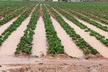
Israeli inventor Elad Etgar, who carried out the harvesting demonstration, said the name of the device is a hat tip to his late father, whose name was Moses. And it’s also because of the way a red chilli field looks after the machine has made a couple of passes through, something he said seems akin to the Red Sea parting in the epic story of the biblical character.
“Moses opened the sea – like that,” said Etgar, CEO of Etgar, a company that designs harvest machinery.
But another symbolism may be developing. Industry experts say the Moses – or a machine like it – is needed to carve a path for mechanized harvesting of green chilli in New Mexico.
Now, the New Mexico green chilli crop is hand-picked entirely by field workers. But farmers and experts say the agricultural labour supply is uncertain, creating questions about the crop’s future in the state.
Part of the labour problem is an ageing workforce, said Marvin Clary, agronomist for Border Products, which runs the world’s largest green chilli-processing plant, based in Deming. Also, when the economy picks up steam, Clary said, field labourers tend to take jobs outside agriculture.
New Mexico State University has purchased the small harvesting machine used in the recent demonstration. It will be used to pick experimental plots of chilli.
The goal of the research is to breed pepper plants that are optimal for mechanical harvesting, said Stephanie Walker, NMSU Cooperative Extension vegetable specialist.
For instance, it’s better for a mechanical harvester if chilli pods on a plant aren’t near the ground, Walker said. Also, she said, it helps if peppers aren’t tightly bound to the plant, as is the case with some chilli varieties. Up until now, NMSU hasn’t had a harvester to test its research chilli fields.
A successful harvest entails pulling easily damaged peppers from plants without bruising or cutting them, experts said. While humans can do this well, it’s a bigger challenge for a machine.
Walker said the Moses harvester was “by far the most gentle” and “did an excellent job of getting the fruit off of the plants.”
Etgar said the machine is capable of harvesting with only about 1 percent of the chilli pods being damaged and another 1 percent left in the field.
While the device demonstrated cleared just one row of chilli, Etgar said it can be upscaled to glean multiple rows and adjusted to different chilli varieties.
“This harvester can harvest all kinds of peppers,” he said.
Source: abqjournal.com