EU, granary of the world
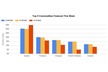
Of the 120 billion Euro exported by the EU last year, 10 percent is from Russia. Compared to 2012 this is an increase of 6 billion. This allowed the EU to exceed the US. The agriculture in the US is dealing with drought, which means that the export decreased by 2 billion Euro to 115 billion Euro. Brazil comes third at 65 billion, followed by China at 36 billion.
From importer to exporter
The EU imported 102 billion Euro worth of agrarian products last year, making it the largest global importer. The US and China are second with 84 billion, followed by Japan with 46 billion. In 2010 the EU was a net exporter, before then more was imported than exported. As of 2010 the trade surplus in agrarian products has grown steadily to 7% of the trade balance in 2013, or 18.6 billion Euro. Only the trade in machines, chemical and pharmaceutical products is bigger.
The growth of the European export is mainly due to the growing demand from up and coming economies. The biggest growers were Saudi Arabia with 20.4 percent and China with 19.7 percent. In absolute figures the export to China grew the most, at 1.2 billion Euro. The export to Saudi Arabia has been growing since 2010 and reached a value of 3.9 billion Euro last year. The export of semi finished products and final products grew respectively by 39 and 11 percent.
US and Russia are the largest markets
The United States and Russia are the main export markets. Of the total export 13 percent goes to the US and 10 percent goes to Russia. China is at number 3 for the first time with 6.1 percent of the European export, followed by Switzerland: worth 5.9 percent of the export/ Japan and Hong Kong come fifth and sixth. The export to Japan increased by 2.3 percent to 4.2 percent. Hong Kong was worth 4 percent of the export. Hong Kong and Japan together represent an equal share to Russia, 10 percent.
Europe's share in the Russian food import is 42 percent, which makes Europe the main supplier of foods in Europe. In Euros it is 11.9 billion. The main categories have been fruit (9%) and cheese (8%) for years. The fruit import made Europe 1 billion Euro, of which apples and pear represent half. The vegetable export was worth 0.8 billion. The same amount was made in the export of meat products, excluding pork. Europe exported a large amount of pork to Russia until recently, worth 8 percent of the export of almost 1 billion Euro. In the winter of 2013 Russia blocked the import of pork. Other important export products to Russia are baking, pasta and baby food.
Maintaining the lead
Russian analysts like to point out Russia's important role in Europe food export and the possible consequences if there were to be complications in the trade. A few expect a decrease of 5 percent this year in the Russian import from the EU due to the deterioration in their relationship.
Europe's ability to grow to the largest food exporter is partially due to external factors, such as the drought in the United States, but internal factors also contributed to the growth. The EU supports the European agrarian sector with billions of Euro worth of subsidies each year. The agriculture in Europe is also well developed, which reduces costs and raises yields.