The greatest risk of infection is silent, without symptoms, and it happens during fall, at harvest and when the leaves are falling, so it is important to perform the copper applications during this period.
Even though, to date, Curico has only a few orchards infected with the PSA, it is the VI region's natural containment boundary. Therefore, the presence of bacteria in the province of Linares and its northward shift - which, up to now, has been very slow in Talca and Curico- generates a huge risk to the survival of these important growing areas.
According to Carlos Cruzat, president of the Kiwi Committee, each province must act to prevent the spread of the PSA. "Only a few kiwi producers of the VI Region are implementing the prevention programs, hence we believe the SAG must control: orchards, nurseries and fruit centrals. This is a national problem and we need the entire industry to be alert," he said.
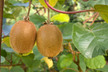
Yellow varieties in danger
Another point that is worth noting is that, according to the last census, 86.5% of the yellow Maule kiwi's surface is in Curico.
According to Cruzat, the PSA's presence is in the area and its slow, but systematic, progress to the north and to the areas surrounding the affected plots, threatens the available surface for yellow kiwis; the country's productive heart of kiwi fruit (the province of Curico), as well as the O'Higgins region through the province of Colchagua.
Chile has a complete legislation for the producers who have infected orchards and for those who are in regulated areas. These measures include: management of affected orchards, orchard management on regulated areas, handling of the fruit transported to the processing plants, control of the production and propagation of plants and plant materials, regulation of pollination services and the importation and marketing of plant materials and pollen. However, the Kiwi Committee considers that these measures are insufficient and useless if the producers don't implement them inside their premises and if there is no control over them. "We are concerned because we see that there are still producers who minimize the risk of this serious disease. They consider the industry's actions to be alarmist and are jeopardizing the health condition of their gardens and neighbourhood," he said.
In this regard, Culzat pointed out that, as an industry, there is the possibility of stopping the PSA's advance, if the actions taken are consistent. "The Kiwi Committee has asked the authorities for a greater control of the orchards, processing plants, nurseries and of all the parties involved in the task of controlling this disease. We're not overreacting. We want to seize the opportunity of containing this disease and strengthen the kiwi industry. The price of kiwis has consistently increased since 2010, so it is important we realize that we can't waste this great option to reposition the kiwi as a good business option. "
Finally, the president of the Kiwi Committee noted that the multiple transfer actions hadn't generated awareness among farmers about the importance of the PSA, so they were going to start an active media campaign to defend the province of Curico as a producing area, a boundary for the bacteria.
The Committee also plans to make a special effort in the Sixth Region, which, to date, has not taken the phytosanitary measures and farm prophylaxis seriously enough. "We must strengthen the comprehensive management of the PSA, local authorities must commit resources and labour while the producers should be vigilant, active and engaged," he said.
Source: Comité del Kiwi de Chile