As of 1 April 2026, the costs of import inspections on organic products from outside the EU to the Netherlands are being passed on directly to importers. Shypple signals that the new levy exposes the financial vulnerability of importers with fragmented documentation processes.
Until recently, the costs of import controls on organic shipments were covered by the Dutch Ministry of Agriculture, Fisheries, Food Security, and Nature (LVVN). As of 1 April 2026, Skal Biocontrole invoices these costs directly to the importer: €130 per inspected Certificate of Inspection (COI), rising to €260 for inspections outside office hours or on weekends. On top of that comes an annual system contribution of €530.25 for 2026.
For importers with a broad product range and multiple shipments per year, this adds up quickly. An importer with forty shipments pays a minimum of around €5,200 in inspection costs per year.
 © shypple
But the direct inspection costs are not the only risk factor. The real vulnerability lies in the documentation flow. Organic products from outside the EU require a correctly completed and timely registered COI in the European TRACES system. In practice, suppliers, export agents, and importers still often manage this process through separate email threads — meaning errors or omissions are only discovered once a shipment has already reached the port.
"A mistake in an organic certificate was always frustrating and could cause delays, but now it comes with extra costs on top. If a shipment arrives at the port on a Saturday and the documentation in TRACES is incomplete or incorrect, you're not just paying Skal's 100% weekend surcharge. Demurrage and waiting costs at the terminal start stacking up, too. That combination of additional costs is immediately felt in your total import expenses."
Ricardo van der Linden, Customs Specialist, Shypple
Beyond documentation, the levy also forces importers to reconsider their purchasing strategy. A higher frequency of smaller part loads (LCL) now leads to a proportionally higher Skal invoice. Consolidating shipments or adjusting order frequency can directly reduce costs per product.
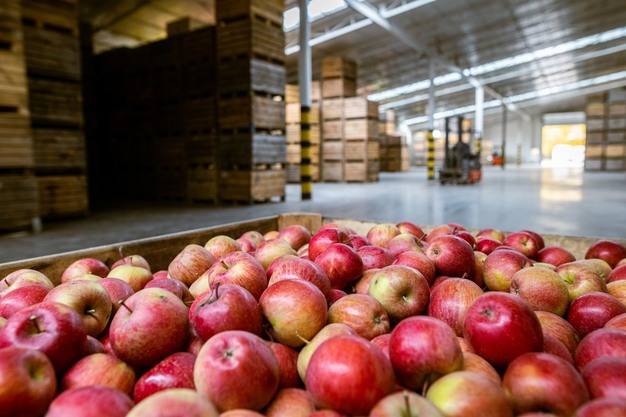
The policy change particularly affects importers of organic coffee, fruit, nuts, rice, and similar products. The €130 per COI will show up on your invoice. But the real cost only hits when a shipment gets stuck. A faulty certificate discovered on arrival means the Skal surcharge, mounting demurrage, waiting time at the NVWA, and a customer waiting for their order.
 For more information:
Shypple
Tel: +31 10 600 2500
Email: [email protected]
www.shypple.com