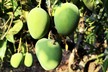
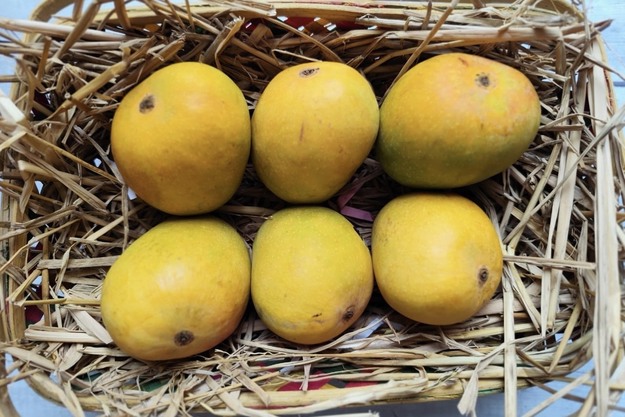
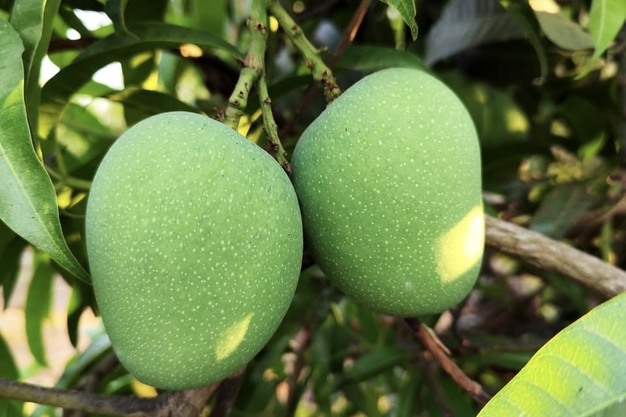
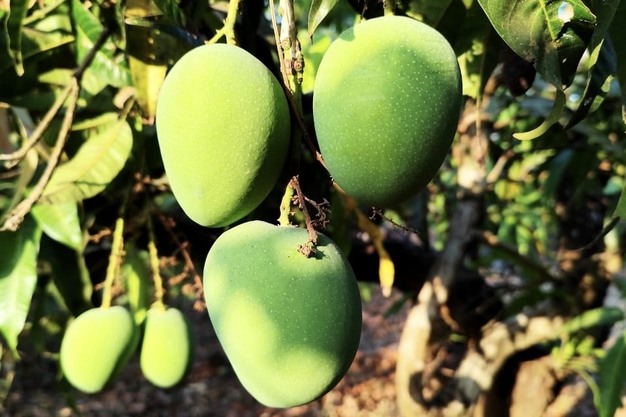
India's GI-tagged Konkan Alphonso mangoes are facing drastically reduced yields this season, pushing domestic prices to double last year's levels, says Kunal Bandekar of SD World Impex, a GI-registered grower-trader from Malwan, Sindhudurg. "Our farm production has crashed from 20-25% of capacity last year to just 10% now. And this is also true across the GI belt, including Sindhudurg, Ratnagiri, Raigad, Thane, and Palghar, due to prolonged monsoon rains that delayed flowering, followed by extreme winter dew that scorched the blooms.
Kunal explains that the Konkan season is running 20-25 days late, which is why mangoes are still missing from markets. "Current prices sit at USD 29.5-34 per dozen for 250g fruit, nearly double that of last year's USD 18-19 in the same period." Private customers aren't willing to buy at these rates, Bandekar notes, so his small lots are flowing to wholesale markets like Vashi APMC, Belgaum, and Sangli. "The low-yield pattern extends beyond Maharashtra's GI belt to Karnataka mangoes and possibly Valsad in Gujarat too."
 © SD World Impex
Based in Pune, Kunal supplies individual families and resellers across seven to eight states, including Delhi, Madhya Pradesh, Maharashtra, Andhra Pradesh, Karnataka, Hyderabad, and Kerala. "Retailer commitments are off the table this year due to insufficient volumes. Typically, early production goes to wholesale markets while private sales ramp up only when rates ease."
The GI-tagged alphonso season kicks off first in Sindhudurg, with the natural harvest progression moving through Ratnagiri, Raigad, and northward, with Ratnagiri sustaining supply deepest into the season. Kunal predicts the first meaningful market arrivals in late April or week 17. "Affordability would improve around Akshaya Tritiya in May, potentially USD 16-21 per dozen, possibly dipping to USD 12.5-13.7 if recent Ratnagiri rains don't cause further disruption."
 © SD World Impex
Kunal says his export ambitions are on hold, given a challenging season. "After seven years focused on domestic trade, we have completed all documentation and secured buyer connections. This year, we'll supply to established exporters first," he says, targeting Canada, Vietnam, and China initially, since these countries require no irradiation or treatments, unlike more demanding markets across the EU countries, USA, Japan, South Korea, Australia, and New Zealand. "This challenging low-yield season isn't worth jumping in directly."
But beyond the weather, yields face structural challenges too. "Alphonso trees naturally alternate: heavy production one year means rest in the next year. Untimely January-March rains just when the fruit matures, extreme winters, fruit flies, and insect attacks during flower-to-fruit conversion are some things we farmers grapple with. Most critically, over 50-60% of Konkan manago farms are leased to tenants operating on 5-6 year contracts who maximize short-term output through heavy chemical pesticides, fungicides, and fertilizers, which permanently weaken trees."
 © SD World Impex
Kunal advocates traditional practices for sustainable tree health, urging fellow Konkan growers to follow suit. Meanwhile, SD World Impex is expanding into value-added products like mango pulp, Konkan cashews, kokum concentrate, and spice packs, now listed on Amazon under the Kokanayan brand.
For more information:
Kunal Bandekar
SD World Impex
Tel: +91 83 29 175 529
Email: [email protected]
www.sdworldimpex.com