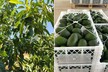
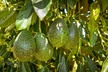
With the flowering season ending and fruit set at the pea stage, mango growers in Kadapa district are assessing potential yields. Fruit-borers and fungal diseases remain the main risks, with fruit covers being promoted as a method to protect developing fruit.
The Kadapa district administration has introduced measures to reduce potential losses. The district has 1,500 hectares under orchards, with mango as the main horticultural crop. Growers reported lower yields last year, with fruit-borers damaging fruit and fungal infections causing stunted growth and black spotting.
Repeated pesticide applications have increased production costs without fully controlling fungal spread. Some growers applied pesticides more than ten times, affecting financial returns.
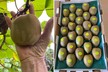
Horticultural officials are promoting fruit covers as a lower-cost option. The covers act as a barrier against flies, fruit-borers, and other external factors. One hectare requires 15,000 covers, each priced at US$0.02. With a 50 per cent subsidy, growers initially invest US$360 per hectare, with US$180 reimbursed by the government. Support is available for up to two hectares per grower.
"The trees in my 15-acre farm are healthy due to the covers, and I expect them to come to fruition in three weeks", said K. Subbarayudu from Gopavaram village, who has applied covers to 60 per cent of his trees.
District authorities indicate continued support for horticulture in the region. "The government is committed to making Rayalaseema a horticultural hub. We are leaving no stone unturned to provide subsidies to farmers and also ensuring safeguards for the yield. It is a welcome sign that the farmers of Kadapa district are adopting modern practices, and we are all set to lend a helping hand to them," said District Collector Sridhar Cherukuri.
Farmers can contact divisional horticultural officers in Kadapa, Badvel, Porumamilla, Pulivendula, Muddanur, and Mydukur for further information.
Source: The Hindu