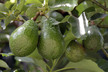
A pilot shipment of avocados from Zambia is being exported via Walvis Bay in Namibia to Europe, as part of efforts to develop alternative logistics routes. The shipment, managed by Transworld Cargo, consists of 24 tons of avocados transported in a controlled atmosphere container.
The consignment is destined for Rotterdam and is expected to depart within three days, with a transit time of about 25 days. The initiative follows more than a year of planning with growers and logistics partners.
"This process started more than a year ago. It's not a new concept to move cargo, but moving it through our corridors to Walvis Bay and linking it efficiently to global markets is what makes this different," said Transworld Cargo manager Fritz Kaufmann.
The route offers an alternative to exports traditionally handled through South Africa. "From Walvis Bay, we can move northbound directly to Europe. It's a much easier route than going all the way down to Cape Town, where there are serious challenges," Kaufmann said.
Weather-related disruptions in Cape Town have previously affected export operations. "If Cape Town is weather-bound, no ships can load. Last year, that was a devastating blow to the grape and fruit industries. When cargo stops moving, the entire value chain suffers," he said.
The pilot also introduced a change in handling procedures by loading fruit directly at the farm level into refrigerated containers. "We brought the container to the farm and loaded the product directly into it, which eliminates unnecessary handling and temperature changes," Kaufmann said.
Controlled atmosphere containers are used to regulate oxygen and carbon dioxide levels to delay ripening during transit. "You don't want the fruit to ripen too quickly. The container controls oxygen and carbon dioxide levels to slow that process and keep the avocados firm until they reach the market," he said.
While the current shipment involves one container, further volumes are under consideration. Kaufmann indicated that one farm alone could supply about 120 containers per year. Expansion into other products, including citrus and blueberries, is also being evaluated.
Logistical constraints remain, particularly at border crossings. "We stand at borders for hours, sometimes the system is down, and everyone must wait, even if you're carrying fresh produce," Kaufmann said. "If you're transporting food, you should be moved to the front. Every delay affects the quality of the product."
Source: The Namibian