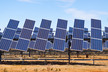
Potato growers in Michigan are reporting concerns about the expansion of solar developments and the impact on access to agricultural land. Growers indicate that both short-term availability and long-term land use are being affected.
According to Kelly Turner of the Potato Growers of Michigan, processors do not accept crops grown on land previously used for solar installations due to food safety considerations. "When solar systems are removed, it leaves behind little, tiny pieces of metal, plastic, and chunks of cement, and that kind of stuff that potatoes will grow around," she says. "What happens if something gets through and someone gets hurt? The risk just isn't worth it."
Growers state that potato production depends on land rotation, typically on a four-year cycle, to manage pest and disease pressure. This system often requires rented land. "That takes that land out of production, and now it starts to hurt economies of scale because there's no more land near the grower to be able to create enough land to have those rotations," Turner says.
Producers also highlight the impact on existing infrastructure and investments. Dennis Iott of Iott Seed Farm in Kalkaska notes that storage facilities depend on sufficient production volumes. "We've got several millions of dollars invested in a storage facility that's not paid for, and if it's not full, it's not going to get paid for," he says. "If we lost a percentage of that land because of solar, it's very disruptive."
Growers indicate that reduced access to farmland may affect production planning, rotation systems, and utilization of existing facilities.
Source: Brownfield