The California asparagus crop is underway though supply is lighter. While one factor could be that overall acreage in regions such as Firebaugh are down this season, there has been an issue with dormancy in multiple growing regions.
"In northern Mexico, there was a lack of dormancy which is leading to very light yields and low production and it's the same for California growers and Washington growers," says James Paul of Greg Paul Produce Sales Inc., which ships product as part of a program with The Giumarra Companies. "A lack of dormancy typically leads to weak yields for the season. The crown never really develops and it can also lead to an impact on sizing."
 © Greg Paul Produce Sales Inc.
The California asparagus season is expected to end as per usual around May 15-31, weather-dependent.
That said, the timing of the season is normal though Paul said he would have liked to start about 10 days earlier. However, a sizable rainstorm made it a challenge getting in and out of the fields. The season is expected to end as per usual around May 15-31, weather-dependent.
As for demand for California asparagus, it is strong. "The imported product lines–whether it's from Peru or Mexico–the overall sizing profile has decreased and consumers look forward to locally grown product because they're larger in diameter. That's what I hear more than anything," he says. "Importers are doing the entire industry a disservice by not maintaining the quality and standards of product being delivered. If the consumers are not happy with asparagus quality and asparagus eating experiences, they're going to stop putting it on menus and it's going to have a negative impact on the industry."
Markets strong on asparagus
On pricing, that lack of dormancy will continue to keep markets on the higher end. However, while pricing back to growers is good, there are still concerns. "There are so many costs and regulations continuing in California and it is driving the cost of asparagus production up to where the farmer just doesn't make much money," he says.
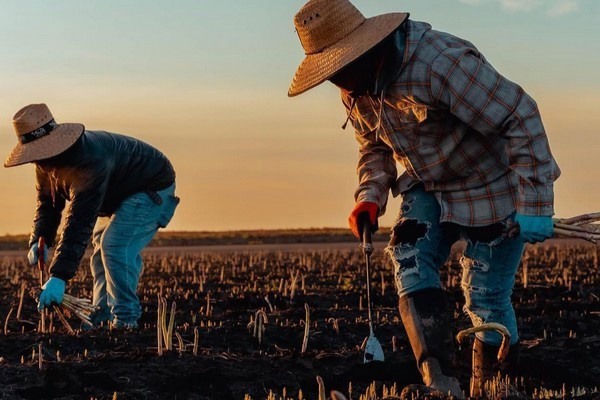
The other development that he is increasingly seeing in today's farmers is they prefer to farm commodities that require tractor work. "They don't want to farm things that require labor–maybe they don't want the liability of having labor on their property, or they don't want to have the labor costs. Farmers today are just not interested in having that level of labor," says Paul.
 © Greg Paul Produce Sales Inc.
The California asparagus crop is underway though supply is lighter.
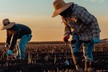
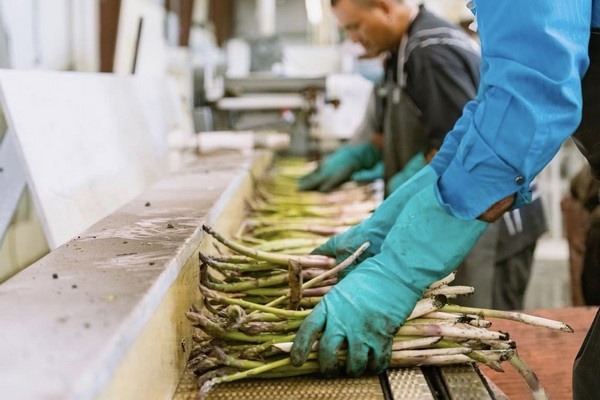
That's an issue that would particularly impact asparagus, an item that's still hand harvested and relies on labor in every step of the production cycle. "There's no automation of any sort that is designed to replace what's required by the human hand. It's an extremely fragile product and machines would just destroy it," he says.
Looking ahead, volume will pick up significantly in California which to date, is only about 10 percent harvested. "So over the next few weeks we'll see it get into full stride and that timing is good with the holidays coming. I think demand is going to continue to be really, really strong," says Paul.
 For more information:
James Paul
Greg Paul Produce Sales, Inc.
Tel: +1 (209) 952-0580
[email protected]
www.gregpaulproduce.com