2025 marks a key turning point for Alifresca and for the entire Coop Switzerland organisation in the fresh fruit and vegetable sector. According to Vladimir Cob Sevilla, CEO of Alifresca (a subsidiary of the Swiss retail group), this is due to several strategic decisions that are shaping both the present and the future of the Coop Group's supply chain.
 © Alifresca - COOPVladimir Cob Sevilla
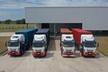
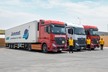
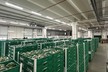
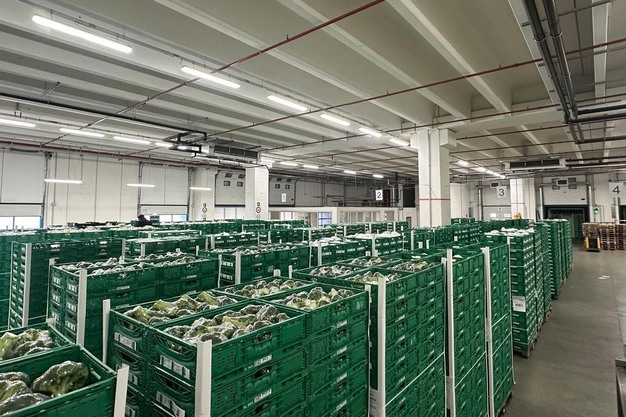
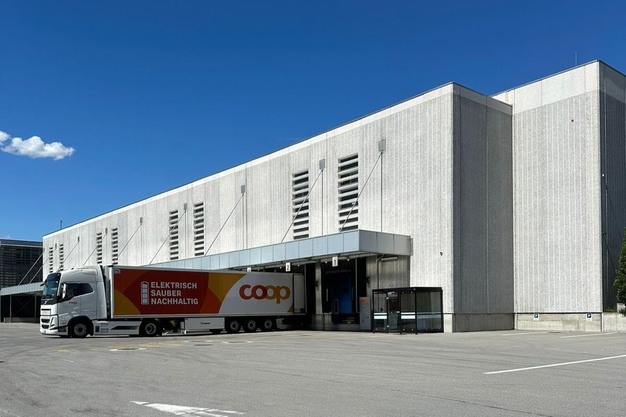
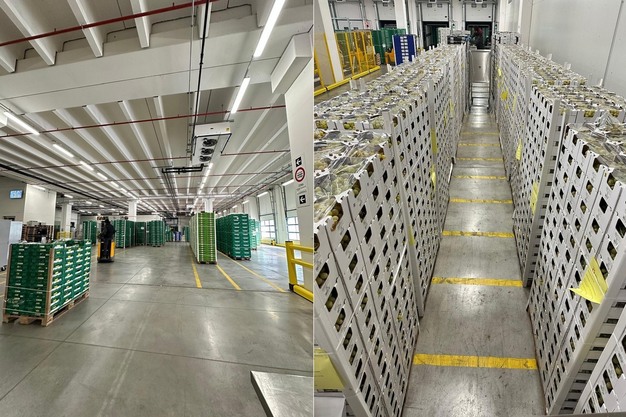
The first key point is the opening of the new logistics platform in Novazzano, near Chiasso in Canton Ticino, which has been operational since January 2025. Cob Sevilla describes this as a radical change compared to the past, as it marks the transition from a shared, privately owned platform to a facility exclusively managed by Coop, in which Alifresca operates with full exclusivity for unloading and handling goods destined for Switzerland. "This new setup has enabled a clear qualitative leap, both from an organisational standpoint and in terms of processes, internal logistics, and overall control of the flow of goods from Italy. After one year of operations, the results speak for themselves. The reliability level has reached almost 99.5% of arrivals, demonstrating that the project's preparation and the selection of those involved were crucial."
According to Cob Sevilla, Novazzano is now a case study in success that should be highlighted within the Coop Group as an example of how targeted investment can translate into efficiency, quality, and continuity of service.
 © ALIFRESCA
The second point concerns a decision that marks an important cultural shift in our relationship with suppliers. "Alifresca has decided to stop carrying out quality checks at the point of origin, and will no longer send its own staff to processing centres before shipment. This decision applies to all group activities, which now serve nine European countries, not just Switzerland."
For Cob Sevilla, this means shifting the weight of responsibility onto selecting the right partner - not just a supplier - and onto the trust built up over time. "If a partner is selected, it is because they already meet the required standards, without the need for step-by-step checks. It is a decision that involves some risk, but also offers significant advantages. Those who perform well do so with greater confidence, building a more mature and transparent relationship. At the same time, bureaucracy, costs, and supervisory activities are reduced, freeing up resources for investment in joint projects and innovation."
As Cob Sevilla points out, this approach also simplifies partner evaluation, quickly revealing which companies are well structured and which require continuous support.
 © ALIFRESCA
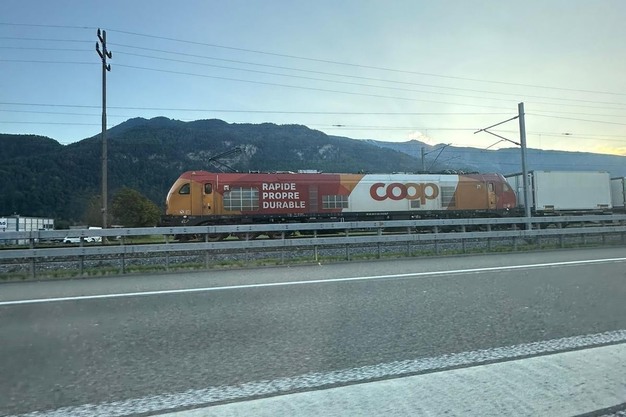
"Thanks to our new and excellent international logistics network, in which Italy plays a particularly significant role in ensuring punctual and reliable deliveries, we have doubled the volume of goods transported by rail. As the most sustainable retailer, Coop also has its own railway infrastructure along Switzerland's south-north axis, a distinctive feature that enhances efficiency and sustainability even further," emphasises Cob Sevilla.
 © ALIFRESCA
In the face of climate and market challenges such as the recent flooding in Spain, the company has addressed these difficulties by implementing a well-established diversification strategy over the past four years.
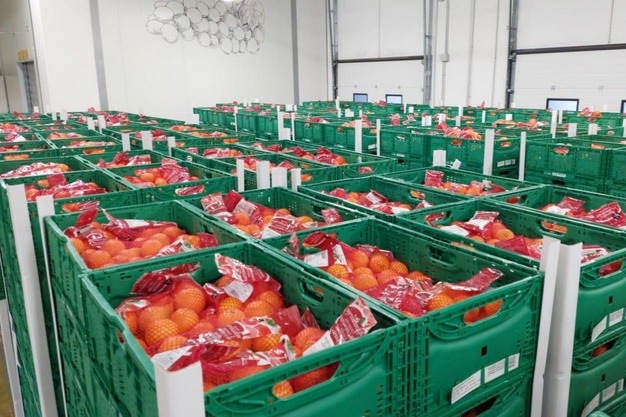
"Procurement is no longer limited to traditional sourcing areas. It has actively expanded into new regions, including Poland, Hungary, Romania, Albania, the Balkan countries, Greece, and Turkey. The Verona office, for instance, oversees all French supply. Overall, the Group sources products from 31 countries. Strategic diversification is key to maintaining a high level of service and ensuring product availability despite localised disruptions. This strategy has proven successful. Last year, Coop recorded a significant increase in its market share of the fruit and vegetable sector compared to its main competitor, achieving one of its best years ever. This success stems from the ability to make products available at the right time."
Unified management of the Italian and Spanish branches under a single direction, for example, prevents internal conflicts and encourages collaboration rather than competition - a key advantage over other organisations.
 © ALIFRESCA
Coop Switzerland figures
In 2025, the Group recorded revenue of 35.5 billion Swiss francs, which was an increase of 782 million (2.3%) compared to the previous year. This growth was driven by an increase in customers and development across all sectors: retail, wholesale, and production. Profit increased by 21 million to reach 606 million Swiss francs, all of which was reinvested in the company to help maintain competitive prices. The workforce grew to 97,275, including a record 1,270 new trainees.
In the retail sector, revenue reached 21.2 billion Swiss francs, with Coop supermarkets (including Coop.ch) growing by 2.6% to 12.4 billion Swiss francs. Market shares and demand for the Prix Garantie brand and sustainable products are increasing. The wholesale/production sector increased to 17.2 billion Swiss francs (+3.2%). Sustainability remains central to the business, with net revenue of 6.9 billion Swiss francs, including 2.4 billion Swiss francs in organic products. New sustainable logistics solutions have been introduced, such as rail supply operations in Geneva, and from 2025, in Zurich.
 © ALIFRESCA
Market adaptation and future planning
The approach to commercial planning for upcoming seasonal events (Carnival and Easter) will be characterized by flexibility and adaptation. "Due to changes in the market and the environment, it is not possible to simply copy last year's strategy. The strategy must be dynamic and reactive. The philosophy is clear: those who do not listen to nature are not listening to anything," says Cob Sevilla. "In recent weeks, adjustments have been made to programmes with large-scale retail partners. This does not mean a shortage of products, but rather a rebalancing based on actual demand. Planning will take into account multiple variables, including product availability, product origins, price impacts, and logistical challenges."
For more information:
Alifresca Italy Srl
[email protected]