A national agricultural research institute and the University of Tsukuba in Japan have developed a muskmelon variety that can be ripened on demand, targeting the fruit's short shelf life and export constraints.
Researchers inactivated a gene required for ethylene production, the plant hormone that promotes fruit ripening. As a result, the melon remained firm and green for up to two months. Ripening can later be triggered by exposing the fruit to ethylene, a method already used in banana supply chains.
The National Agriculture and Food Research Organization and the University of Tsukuba plan to register the new variety with the government and aim for commercialization within three years.
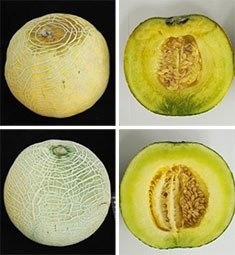 © National Agriculture and Food Research Organization
Muskmelons are typically in season from spring through midsummer. After harvest, ethylene release accelerates ripening, limiting shelf life and increasing spoilage risk during ocean freight. The new approach would allow producers to suppress ripening during shipment and activate it closer to the end market.
Japanese melons have recorded growth in overseas demand. Preliminary figures from the Ministry of Agriculture, Forestry and Fisheries show exports reached 1,089 tons in 2025, compared with 309 tons in 2015. Key destinations include Hong Kong and Singapore, with the United States and Australia also importing Japanese melons.
An extended shelf life may support inventory management and reduce food waste across the value chain. The research team described the development as "a major step" toward expanding domestic demand and supporting export growth.
For high-tech greenhouse producers, the approach demonstrates how gene regulation and post-harvest ethylene management can be integrated into premium fruit export strategies, particularly where long-distance shipping is required.
Source: Japan Wire