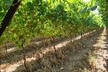
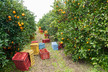
The 2025/2026 grape season presented South African producers with challenging conditions. Adverse weather in the early production regions and late rainfall in the Hex River Valley required careful vineyard management and operational flexibility.
Despite these pressures, the season demonstrated not only the industry's flexibility and capacity to adjust, but also the growing importance of planting decisions made in recent years, particularly the shift toward varieties built for climate adaptation and commercial consistency.
 © Grapa Global
The season commenced approximately two weeks earlier than usual, but despite these challenges, producers carefully managed conditions and maintained a strong focus on quality and on meeting market specifications.
Varieties aligned with climate realities
AJ Jansen van Vuuren, Table Grape Manager at TopFruit, the exclusive territorial representative for Grapa varieties in Southern Africa, explains: "Late rainfall in the Hex River Valley once again highlighted the vulnerability of many varieties to weather volatility. Increasingly, growers are prioritizing genetics that demonstrate tolerance to substantial rain events and temperature fluctuations, traits that are no longer optional in the context of global climate change."
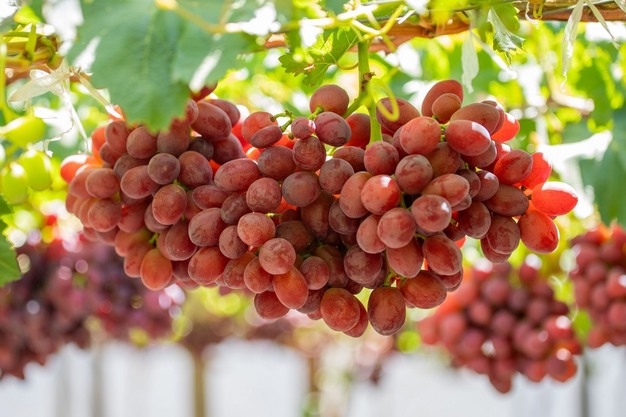
The Grapa breeding program was developed with exactly this grower-first principle in mind. With high fertility and resilience to adverse weather conditions, Grapa varieties inherently support consistent yields while maintaining commercial standards.
Logistics shift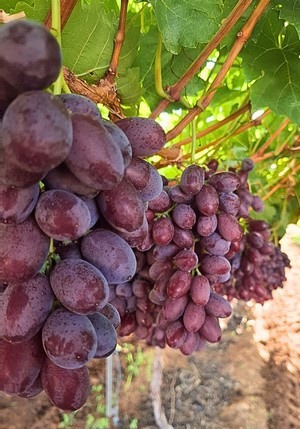 © Grapa Global
From a logistics perspective, one of the season's strategic surprises was the increased use of the Walvis Bay Port in Namibia. Ongoing port congestion and delays in Cape Town compelled the industry to look at alternative solutions. While exporting through Walvis Bay is costlier, it provides a notable benefit by shortening transit times. The enhanced reliability and quicker turnaround time made it a valuable alternative despite the higher costs.
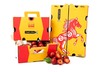
ARRA Fire Crunch™ and ARRA Cherry Crush™ enter European and UK markets
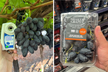
Against this backdrop, the first commercial shipment of ARRA Fire Crunch and samples of ARRA Cherry Crush were introduced to the European and UK markets this year.
Their introduction is more than a market milestone; it reflects a broader transition toward varieties that combine visual appeal, crunch, and eating quality with grower-friendly production traits. Both varieties are positioned to meet retailer specifications while supporting vineyard efficiency, offering a win-win scenario across the supply chain.
Positioning for stability beyond the season
While this was a challenging season for the South African industry, the ability to adapt operations, explore alternative export routes, and advance the commercialization of new-generation varieties demonstrates a commitment to long-term competitiveness. Reflecting on the commercial significance of the introductions, Jansen van Vuuren notes: "With ARRA Fire Crunch and ARRA Cherry Crush, producers in Southern Africa now have a new and strong red varietal offer that meets current market demand and provides a solid base for the seasons ahead."
For more information:
Grapa Global
www.grapaes.com