Organic avocado production in Kenya benefits from a climate and ecosystem that make it economically viable, enabling it to compete effectively on the international market with lower production costs than its competitors. This is according to Anthony Ngugi, CEO of Mavuno Organics. The grower explains.
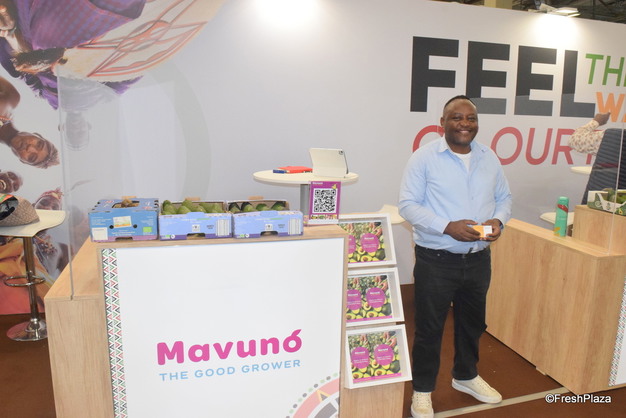 © Andrea van den Hoven | FreshPlaza.com
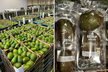
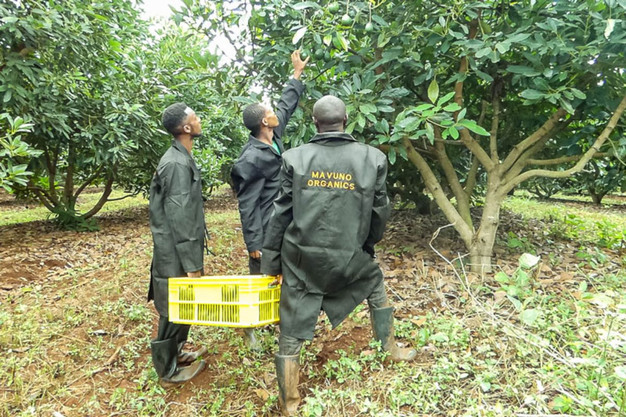
"The main strength of organic avocado production in Kenya lies in the people who practice it. The sector relies on a solid and extensive ecosystem of small-scale farmers who practice agroecology on small plots of land. This makes pest and disease control less costly and more effective than for producers practicing conventional monoculture. Add to that the support of aggregators who provide technical advice and market access, such as Mavuno Organics, and you will see that production is entirely viable and economically makes sense," Ngugi says.
"Furthermore, organic production benefits from the same advantages that make conventional avocados in Kenya more competitive compared to other African and Latin American origins, including cheaper water, transportation, and labor costs," the grower continues.
 © Mavuno
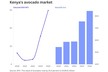
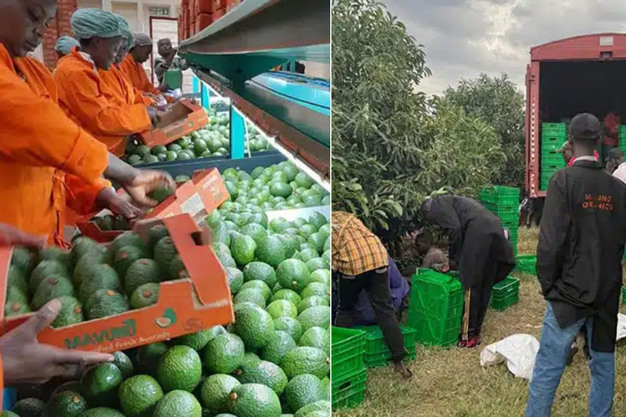
According to Ngugi, organic avocados in Kenya are produced at a cost 45% higher than conventional avocados - which is partly due to the cost of certification and effort on soil nutrition and environmental care - and account for 10% of national avocado exports. He adds, "Despite this, our organic avocados are still an international benchmark and meet the needs of a niche market better than other origins such as Mexico, South Africa, or even Peru."
Besides economic benefits, the producer affirms that organic production addresses legitimate concerns about sustainability and ethics. In his own words, "growing organic avocados is more than just a farming method. It's a long-term investment in the land, farmers, and future generations. We are choosing healthier farms, safer working conditions, and convenience that meets consumer expectations. With 90% rain-fed agriculture, especially in smallholder operated farms, we are fortunate in Kenya to be able to offer healthy organic avocados with a negligible blue water footprint." (Blue water: surface/groundwater # green water: rainwater)
 © Mavuno
On the demand side, Mavuno exports almost all of its organic avocados to the Netherlands, according to its CEO. "Our Dutch customers account for 90% of our export volumes. This is primarily the result of long-standing professional relationships that date back to the launch of our family business. However, a good part of our avocados are delivered to the Netherlands and then redistributed to other European countries, such as a French cooperative that distributes organic products and sources its avocados from our farms."
 © Mavuno
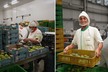
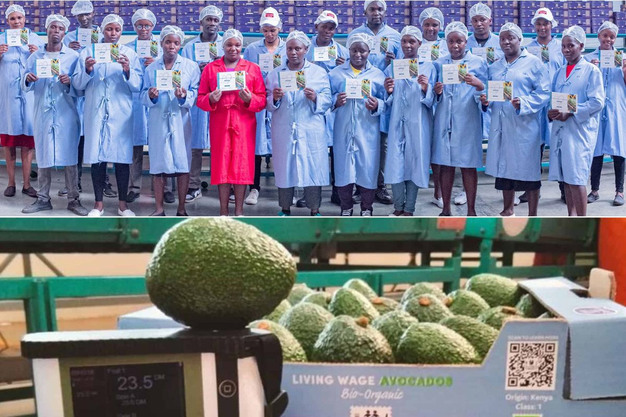
At Mavuno Organics, we believe that organic production in the avocado industry will continue to grow steadily, meeting a growing demand for sustainability among both consumers and farmers. We contribute by providing technical advice on natural treatment methods, thanks to a permanent team of 20 employees, including qualified agronomists. We manage the certification of 324 small producers with Organic EU, Living Wages, Fair Trade, SMETA, Global Gap, and Grasp certifications; and also handle sorting and packaging in a modern packing house, as well as marketing and exporting to the international market, while maintaining lower price levels than competing origins," Ngugi concludes.
For more information:
Anthony Ngugi
Mavuno Organics
Tel: +254722384038
Email: [email protected]
www.mavunoorganics.com