Table grape supply is good with both Peru and Chile shipping fruit to the U.S. market at the moment. "The Peruvians shipped fairly heavily through most of January resulting in heavy arrival volumes arriving on the U.S. East Coast," says Mark Greenberg of Capespan North America. "However, Peruvian loadings have declined in the last three weeks as the harvest in Ica winds down, seeing an earlier end compared to last year.
Peru has loaded over 4 percent more fruit to the U.S. as of last week, a reflection of the general increase in Peru's table grape shipments through mid-February. It has shipped just over 3 percent more fruit overall than it did last year. "Though last year Peru still had another 30,000 metric tons to load after Week 7 and I don't believe they're going to have that much to ship after Week 7 this year," says Greenberg.
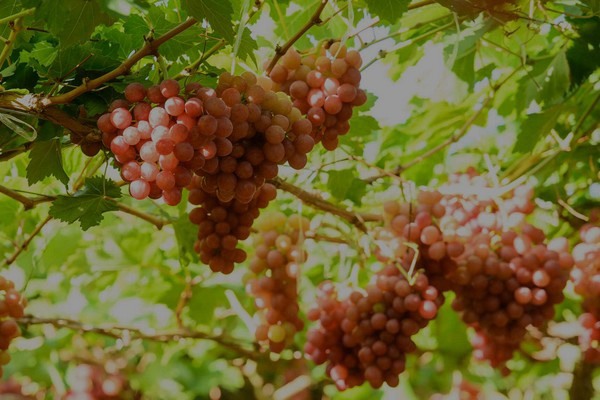 © Capespan North America
The demand for grapes is solid and movement has been steady.
Meanwhile, Chile, which has seen a later start to its table grape season, is just starting to gain momentum. "With what is expected to be Peru's earlier exit from the market, Chile will have its opportunity in the market without so much competition from Peru. It seems that the two dominant imported grape origins have stayed in their own lanes," says Greenberg. Greenberg noted that Chile is expected to ship 63 million cases of grapes this season, a 6.4 percent decline from the volume shipped last season.
Right now, the harvest in the northern part of Chile is continuing with a lighter and later crop this year. Grapes from the Aconcagua region are getting into full production but are also running later than expected. The area south of Santiago, in Rancagua, Chile's most important table grape producing region, is expected to have a large crop.
Grapes from South Africa
South Africa, which at the best of times is only a small player in the U.S. market, faces a 30 percent import tariff which is serving as a very effective disincentive toward shipping fruit there.
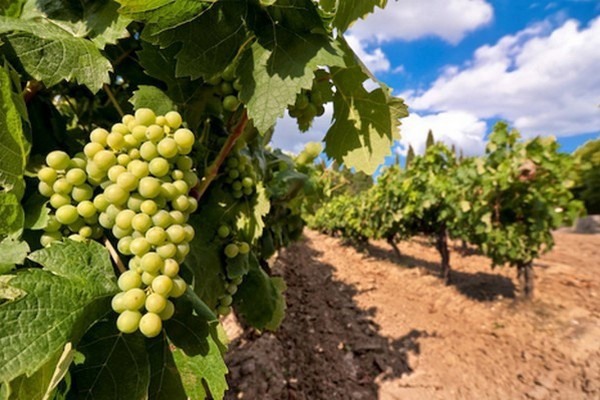 © Capespan North AmericaGreenberg expects that prices will remain stable in the weeks ahead noting, though, that Chile still has a significant amount of fruit to ship.
As far as varieties and brands shipping, the conversion to new varieties continues and the U.S. market is dominated by Autumncrisp®, Sweet Globe™, Timpson and Arra 15 in white seedless and Jack's Salute™, Sweet Celebration™ and Scarlotta on red seedless grapes.
Demand for grapes is solid and movement has been steady. "Prices at retail remained high through mid-January. However with prices in the market having softened in recent weeks, retail pricing has come down to levels that are more attractive to consumers. Retailers are promoting grapes and movement is good," says Greenberg.
He's expecting that prices will remain stable in the weeks ahead noting, though, that Chile still has a significant amount of fruit to ship. Sellers in the market will be mindful of the impact on growers of the 10 percent tariff and will be resistant to lowering prices. Though, in the end, the offer in the market will ultimately dictate the price level.
 For more information:
Mark Greenberg
Capespan North America
Tel: +1 (514) 739 9181 Extension 102
[email protected]
www.capespan.com