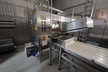
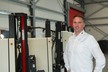
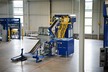
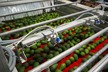
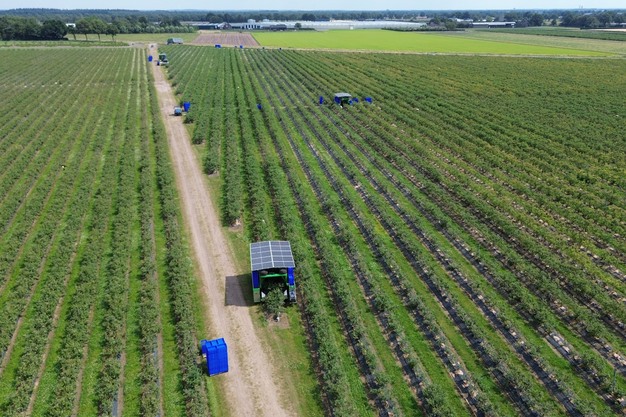
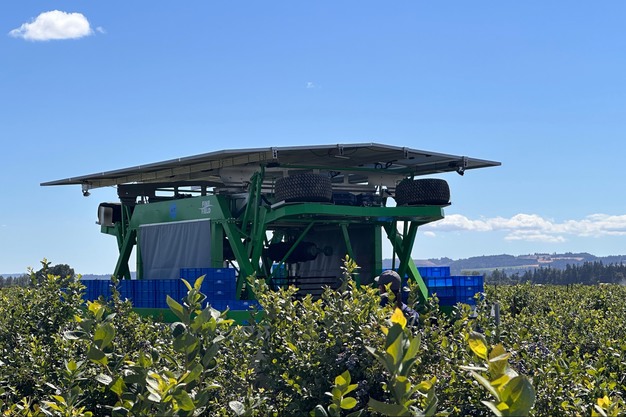
In 2021, after developing several prototypes, FineField sold its first mechanized berry harvester for the fresh market. The Dutch startup has since sold dozens of these machines. Business Director Marcel Beelen expects the entire fresh market will eventually move toward mechanical harvesting, although "opinions differ on how quickly that will happen. Growers say labor savings is the only cost component they can still address."
 © FineFields
Machines require different business practices
Demand surged in 2022, partly due to the coronavirus crisis and labor shortages, but the company faced major supply chain issues. "Some parts were unavailable, so we had to make some adjustments to the machines. Prices also skyrocketed. Parts we normally paid €100 for suddenly cost €2,000." FineField sold 12 machines that year, but payment only came after delivery, which made the situation risky, especially with untested machines. The company treated those sales as a large-scale test, implemented customer feedback, and paused for a year or two to resolve technical issues. Since then, interest in mechanical harvesting has grown significantly.
Beelen notes that Europe lags behind North America. Traditionally, Europe has used machines mainly for the industrial harvest, while quality standards for fresh fruit are higher. Switching to mechanical harvesting "requires a completely different way of doing business," including technical knowledge, spare parts management, and trained operators. In the United States, especially in states like California, high labor costs and familiarity with harvesters create strong opportunities.
 © FineFields
FineField is focusing on the fresh market and high- and mid-chill blueberry varieties. According to Beelen, low-chill varieties in countries like Peru and Chile often have many picking moments, making them less suitable for mechanical harvesting. However, new varieties with peak production could increase relevance for machines. With shareholder Fall Creek, the company is also closely involved in developing varieties suitable for mechanical picking.
Mechanical vs quality hand-picking
Some growers remain skeptical about quality compared to hand-picking, but Beelen says firmness and shelf life are generally comparable. Machines do have higher wastage rates because they also pick green and soft berries, requiring post-sorting. Still, manual harvesting is inconsistent, while machines offer continuous operation and stable output. In France, for example, growers run machines in three shifts, with downtime mainly due to morning dew.
FineField's machines can harvest 1 to 1.4 tons per hour during peak harvest and average around 800 kg/hr over the season. The machines cost €350,000 to €400,000, but Beelen believes the investment can be recouped quickly: "In terms of return on investment, you can recoup the machine's cost for one season in 18 months." He predicts it will take five to 15 years for the blueberry market to fully switch to mechanical harvesting.
For more information:
FineField
Konijnenweg 12
5962 BA Melderslo
Tel: +31 (0) 77 208 60 54
[email protected]
www.finefield.nl