Europe shipments from India typically launch by late January, but this grape season has met delays as sugar levels fell short of strict export standards, says Shubham Shelar of Shelar Overseas. "To maintain momentum, we've already dispatched containers to Middle Eastern markets where quality thresholds are more flexible, letting us start strong."
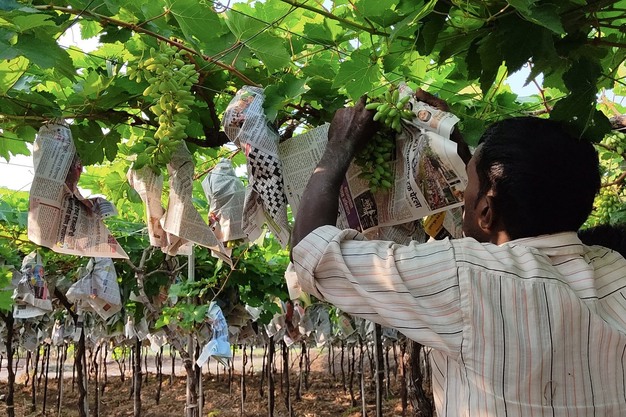
Key grape regions like Nashik grappled with unseasonal rains that slashed vineyard registrations by 28% and cut yields dramatically, from 35 to 40 bunches per plant last year to just 15 to 20 this season, Shubham shares. "Only 30 to 40% of vineyards now meet export grade, driving prices up 20 to 25% from last season. This scarcity hits Europe the hardest right now despite strong baseline demand. Europe normally absorbs 60% of Indian grape volumes exported," he explains.
 © Shelar Overseas
Shubham observes Sonaka grapes from Sangli as standing out for good berry length and reliable sugar levels even amid tight overall volumes. "Quality remains above average here, providing exporters a dependable option when production dips elsewhere," he says, noting Middle East and Southeast Asia markets, each taking around 20% traditionally, now absorb more volume, as their standards better match current conditions compared to Europe's rigorous compliance rules."
 © Shelar Overseas
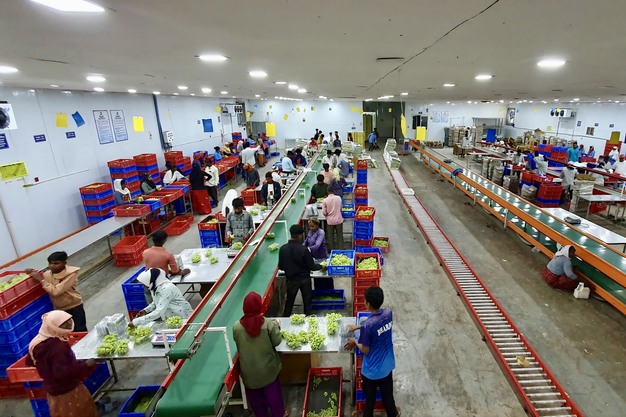
Exports to the Middle East have increased this season as changing weather conditions affected availability for more stringent markets. "We're channeling more supply to regions where we can compete effectively on price and availability. Indian grapes currently face import tariffs of around 10 to 14% across the EU. Once the India–EU free trade agreement is implemented, tariff reductions are expected to improve the competitiveness of Indian grapes, particularly for premium grape varieties." Shubham thinks the timing aligns well with exporters adapting to intensifying climate pressures.
As Shubham sums it up, "We are optimistic about upcoming trials of new grape varieties in India that target climate adaptation, consistent quality, disease resistance, and reliable sugar levels. These are strong measures for cost control, market diversification, and field upgrades that make farms more resilient. Supportive policies are expected to improve Indian grape competitiveness further in the long-term. For this season, we will maintain buyer trust through steady supplies."
For more information:
Shubham Shelar
Shelar Overseas
Tel: +91 89 28 782 517
Email: [email protected]
www.shelaroverseas.com