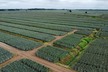
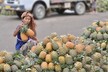
Pineapple volumes in the industry are significantly lower than usual around this time of the year. "Planting programs were impacted by excessive rainfall. Therefore we started the year with limited supply and anticipate that the situation will persist for another six to eight weeks," said Adriana Garcia of Chestnut Hill Farms.
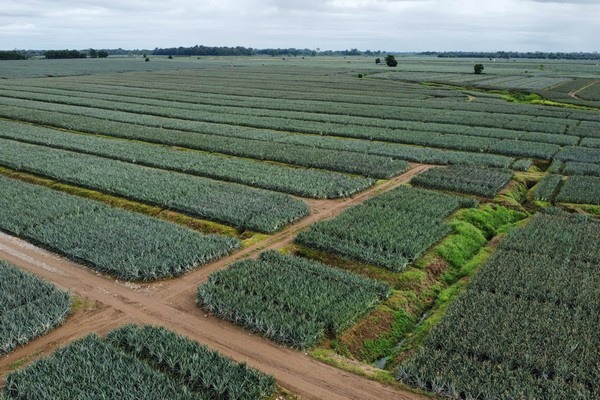
In growing regions, Costa Rica continues to be the main pineapple exporter into the U.S. and Europe. So what have growing conditions looked like? "Low precipitation was observed recently, along with a decrease in the average minimum temperature. These factors contribute to reduced internal fruit maturity," says Garcia, adding that harvesting fruit with high brix and high external color is challenging. "Also, plants might be impacted by the decrease in temperature and bear fruit naturally creating a peak in production later this year. With climate change, agriculture in general is facing important challenges both in terms of volume and consistency in conditions of the fruit."
 © Chestnut Hill Farms
Pineapple demand and pricing
This comes as the consumption of pineapple continues to grow as it has over recent years. "Customers in general are eager to increase sales and drive more volume. Pineapples bring more traffic to the stores, and they want to take advantage of this opportunity," says Garcia, noting that with limited supply, prices are increasing for all sizes.
Looking ahead, it's anticipated that the market will be tight, also factoring in an increase in demand driven by holidays around the world including Easter in the U.S. and Europe.
Chestnut Hill is exhibiting at Fruit Logistica this week in Berlin, Germany. The company's booth can be found in Hall 25 C24.
 For more information:
Chestnut Hill Farms
Tel: +1 (305) 592-6969
[email protected]
https://www.chfusa.com