Afghanistan's General Department of Revenues and Customs, operating under the Taliban administration within the Ministry of Finance, has announced higher import tariffs on a range of goods, with rates now varying between 10% and 80%. The changes apply to both daily consumer products and seasonal items.
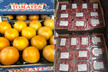
According to the announced measures, import tariffs on seasonal fruits, including pears, grapes, and strawberries, have been raised on a seasonal basis from 50% to 80%. These fruits are widely consumed across multiple regions of the country, and the revised tariff structure is expected to influence trade flows and pricing dynamics in local markets during the import season.
The tariff adjustments were announced without detailed clarification on policy objectives, timing, or expected outcomes. Observers note that the higher import duties may affect market pricing at the retail level, with potential implications for consumer purchasing power. Concerns have been raised that the changes could place additional pressure on residents, particularly households with limited income.
At this stage, no further information has been provided regarding implementation timelines beyond seasonal application for certain products, nor on whether additional commodity groups may be affected. It is expected that the Taliban administration will issue further explanations regarding the rationale behind the tariff increases and their anticipated impact on domestic markets, prices, and livelihoods.
The tariff changes form part of Afghanistan's broader customs and revenue framework and are likely to be closely monitored by importers, traders, and market participants active in the fresh produce and consumer goods sectors.
Source: Atlas Press