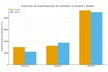
On December 31, 2025, Strawberry Growers for Fair Trade (SGFT) filed petitions with the U.S. Department of Commerce and the U.S. International Trade Commission (ITC) seeking the launch of antidumping investigations into imports of fresh and chilled strawberries from Mexico.
The petitions cover strawberries entering or sold in the United States during the winter marketing period from November 1 through March 31. According to SGFT, these imports have been priced below fair value and are causing injury to the U.S. winter strawberry industry, which is concentrated largely in Florida.
SGFT alleges that increased volumes of low-priced Mexican strawberries have distorted the U.S. market and harmed domestic producers and workers. Daniel Pickard, legal counsel representing SGFT, said the organisation believes pricing practices from Mexico are negatively affecting American growers and employment in the sector.
Under U.S. trade law, antidumping duties are intended to offset the difference when imported goods are sold at less than fair value. The Department of Commerce is responsible for calculating any dumping margin, while the ITC determines whether the domestic industry has suffered material injury or faces a threat of injury as a result of the imports.
The Department of Commerce has up to 20 days from the filing date to decide whether to initiate the investigations, with the option of a further 20-day extension. The ITC is expected to issue a preliminary determination on injury within 45 days of the filing. The full investigation process typically lasts around one year, with final decisions on dumping and injury expected toward the end of 2026. Provisional duties could be applied once preliminary determinations are made.
The case reflects wider concerns raised by several U.S. produce sectors, particularly in Florida, regarding the impact of seasonal imports from Mexico on domestic markets. Seasonal produce trade has also been identified by the U.S. Trade Representative as an issue under review in the context of the United States-Mexico-Canada Agreement (USMCA).
The outcome of the investigation will determine whether antidumping duties are imposed on Mexican winter strawberry imports entering the U.S. market.
For more information:
Buchanan Ingersoll & Rooney PC
Tel: +1 215 665 3911
Email: [email protected]
www.bipc.com