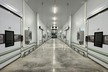
"Twenty or thirty years ago, a Greek selling fruit and vegetables could afford for their buyer to discard 20% or even 30% of their merchandise, and yet still have a decent income to continue their business. Now this is over," stresses Mr. Vassilios Eustratiou, CEO of Alfa Cool Hellas, a Greek company specialized in providing industrial cooling technologies for food companies. "Today, with all production factors becoming increasingly expensive, there is no room to waste even a single kilo of crop — and this is only to survive," he says.
 © Alfa Cool Hellas
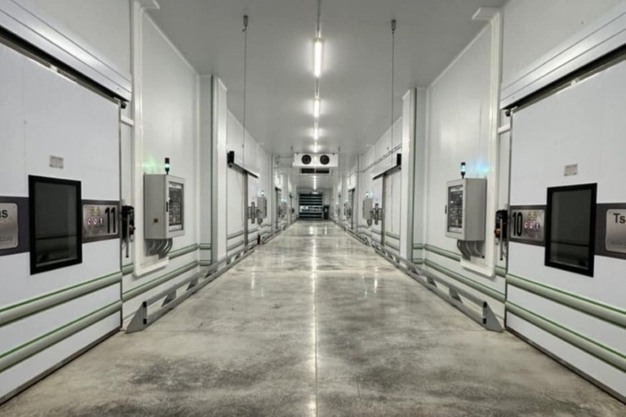
Mr. Eustratiou gives the example of cooling technologies. Electricity costs in Greece have been following an intense upward trend since 2020. Despite the de-escalation that followed the sudden surge provoked by the outbreak of the war in Ukraine, no one among Greek fruit and vegetable entrepreneurs sees any factor that could lead prices back to what they were some years ago. Therefore, they are searching for individual solutions that could limit electricity consumption in their own cooling chambers.
 © Alfa Cool Hellas
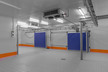
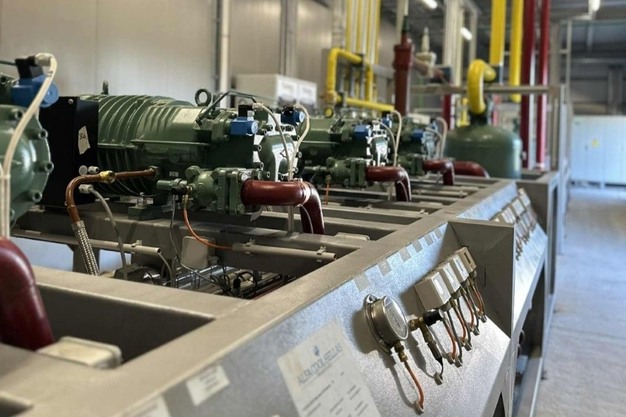
"The electricity cost becomes harder to manage every year with cooling technologies based on freon or similar products that have been widely used by fruit and vegetable packers. Even the freon price itself has skyrocketed during the last year, from 4–5 to 50–60 euros/kg. This is where our job comes in. We strive to achieve a 40% reduction in the electricity cost of cooling chambers, bringing it back to the levels of ten years ago. To do this, we provide alternative cooling technologies based on the use of ammonia, carbon dioxide, or cascade systems with glycol," he says.
 © Alfa Cool Hellas
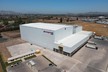
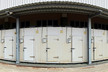
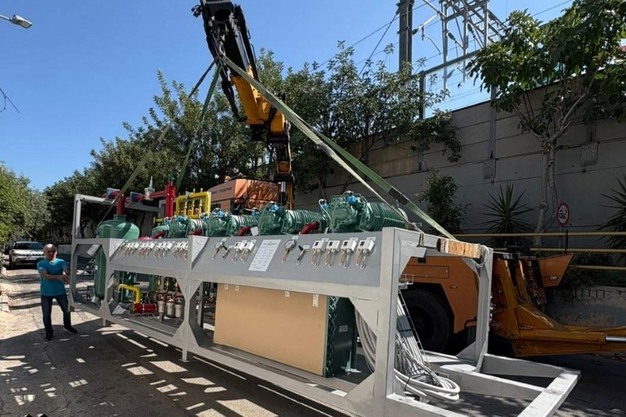
"We applied such technologies in the two new kiwifruit warehouse projects we completed in 2025, and they are already in use. The first is a 10.000kg unit in Agrinio and the second a 5.000kg unit in Arta. This was an important step for these areas to move closer to the production capacity of other regions like Pieria and Kavala, which are traditionally devoted to kiwifruit cultivation, or the capacity of regions like Larisa and Imathia, which were already strong in fruit production — apples and stone fruit respectively — and were expanding their facilities with kiwifruit," the Greek entrepreneur says.
However, kiwifruit cultivation expands every season in Greece, and according to the CEO of Alfa Cool Hellas, there is still a long way to go before cooling chambers can cover the entire production. "I think that production volume exceeds storage capacity by 50%. There are attempts to build new cooling chambers, but the excessive Greek bureaucratic procedures to obtain subsidies discourage investment," he comments.
For more information:
Vassilios Eustratiou
Alfa Cool Hellas
Tel: +30 210 232 1525
Tel: +30 231 078 3010
[email protected]
www.alfacoolhellas.gr/