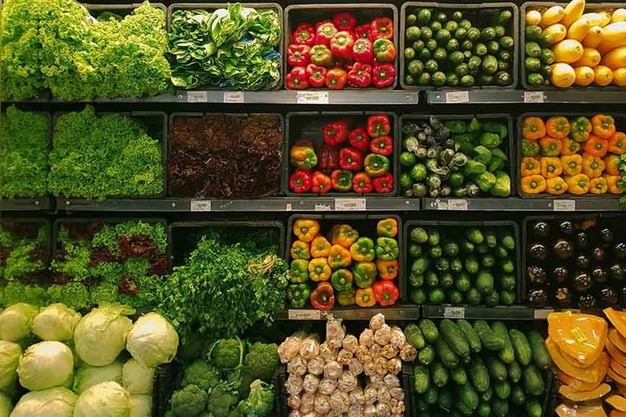
Fresh produce suppliers are assessing how upcoming market conditions and supply chain pressures may shape operations in 2026. Industry discussions, including those at the recent Fruit Attraction Conference, highlighted a combination of risks and emerging opportunities across global sourcing, logistics, and consumption trends.
Several companies noted concerns about disruptions in existing supply chains. They pointed to geopolitical tensions, trade measures, and extreme weather events that are expected to continue affecting availability, transit reliability, and production stability next year. Businesses operating in cross-border produce trade anticipate ongoing exposure to delays and cost volatility.
 © Maersk
Shifting consumer behaviour is also expected to influence supply strategies. Presenters indicated that some countries may face difficulty meeting domestic food demand and will require increased imports. At the same time, changing eating habits, including interest in plant-based options, are shaping new patterns of consumption. Stakeholders suggested that aligning product ranges with these trends may create opportunities in markets where the current supply is limited.
Producers operating across multiple climatic zones noted that new geographic production areas are emerging. By moving supply from region to region within a country and aligning with weather patterns, growers can maintain year-round availability of key items. This shift may expand access to export markets that require consistent volumes throughout the year.
Cold chain operators highlighted that maintaining reliability under these conditions will require strong planning and contingency frameworks. They noted that software tools, real-time data visibility, and a wide logistics network can help reduce operational risks. Collaboration between suppliers and logistics providers was also cited as an important factor in managing disruptions.
The industry continues to explore how transport conditions, equipment availability, and route planning can support quality maintenance for perishable products. As supply sources shift and demand patterns evolve, cold chain capacity and coordination will remain central to ensuring on-time delivery and reducing loss rates.
Stakeholders at Fruit Attraction shared that while challenges are expected to persist in 2026, firms that adapt sourcing strategies, strengthen supply chain resilience, and respond to emerging demand trends may find growth opportunities in both established and developing markets.
 For more information:
Mikkel Linnet
Maersk
Tel: +45 24821196
Email: [email protected]
www.maersk.com