Australia's fresh produce supply relies on cross-border movements between states, where quarantine inspections aim to prevent the spread of crop diseases. These inspections require biosecurity documentation, much of which is still paper-based. Missing or incorrect paperwork can lead to inspection failure and trade disruptions.
A government-funded pilot under the RegTech Research and Insights program tested digital biosecurity documents accessed through scannable labels on raspberries. The trial examined whether digital labelling could support compliance procedures and reduce the likelihood of consignments being rejected due to documentation errors.
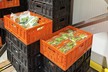
The project involved digital traceability provider FreshChain Systems, raspberry producer Costa Group, and quarantine teams from NSW DPI and WA DPIRD. A shipment from a NSW production site to WA Farm Direct's import site was used to test whether digital tools could streamline inspection steps. The raspberries were labelled using GS1-powered QR codes linked to SGTINs on punnets and crates, and SSCCs on crates. Codes were digitally connected to purchase orders and phytosanitary declarations.
 © berries australia
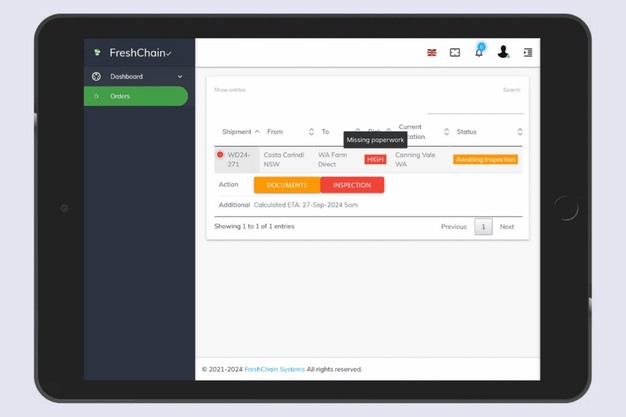
The trial tested both preventative and remedial applications. Preventative tools used AI in the pack shed to help ensure consignments did not leave without the required biosecurity documents. Remedial tools allowed WA inspectors to scan linked labels to retrieve documentation. If paperwork was missing or incorrect, an alert could be issued to supply chain parties, allowing the exporter 30 minutes to upload corrected documents remotely. Inspectors could then rescan the label to verify compliance.
According to Costa Group's compliance manager, "As we regularly move our berries interstate, missing paperwork has often caused frustrating delays. Implementing digital traceability through FreshChain has the potential to transform our operations."
A second project examined the application of digital labelling for food safety, quality feedback, and consumer engagement in the Victorian strawberry industry. The Victorian Strawberry Growers' Association represents 85 farms producing more than 23,000 tons annually. With Agrifutures funding, AusBerry Farmers tested GS1-powered QR codes on 200,000 punnets across two farms. SGTINs were applied before distribution and activated during packing, linking each punnet to the correct farm.
Scanning enabled access to food safety certifications, the collection of punnet-specific quality feedback, and the viewing of digital content on farm practices. Engagement data included farm video views at 99 per cent, recipe access at 22 per cent, and harvest location views at 13 per cent. AI analytics converted item-level feedback into insights for growers.
Growers reported that the system was simple to install and suggested future use could include additional internal metrics and more prominent QR placement for consumers.
 © berries australiaFor more information:
Rachel Mackenzie
Berries Australia
Tel: +61 (0) 408 796 199
Email: [email protected]
www.berries.net.au