Sabah's tropical production sector is drawing new attention as growers in the east Malaysian state expand acreage and output of avocados for domestic and future export markets. The crop is performing well in Tawau, where growers report suitable conditions linked to high rainfall, warm temperatures, and fertile volcanic soils.
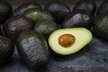
Growers note that Sabah-grown avocados are larger than the fruit typically imported from Australia or Africa. Fruit can reach 0.5 kilograms, with a creamy texture that growers attribute to the local environment. Production practices focus on pruning, fertilisation, and pest management throughout the six-month fruit development period. Fruit is harvested manually to avoid bruising and then graded according to size and quality.
One grower, operating around 500 trees, reports annual production near 20 tonnes. According to the director of Borneocado, "For avocados, they like a lot of water. In Sabah, we get quite high rainfall, so it's very suitable for them to grow in Sabah. This year, the rainfall is much higher compared to the previous year, so the production will be higher than the previous year."
Premium fruit is currently sold at about US$6 per kilogram, with individual fruit sometimes boxed and marketed at up to US$4 each. Most volume still supplies domestic markets, but growers see opportunities to expand into Singapore, Hong Kong, Japan, and South Korea. "There is a lot of potential in the market, because (in terms of) the nutrition itself, it's very high in healthy fats and high protein as well as carbohydrates, so they are getting more and more people willing to eat these fruits. I can eat it every day," the grower said.
Work is also underway through Malaysia's Agriculture Ministry and research institutions to evaluate downstream options, including avocado puree and cold-chain processing, to maintain quality and extend shelf life. As Sabah continues to invest in high-value crops, producers expect market development for the state's avocado crop to grow in the region.
Source: CNA