The 2025 citrus season in Northeast Argentina (NEA) was one of the most difficult in recent years. Roberto Varela, the executive manager of the NEA Chamber of Citrus Exporters (CECNEA), describes it as a period marked by severe frosts, high tariffs, and a forced change in export destinations.
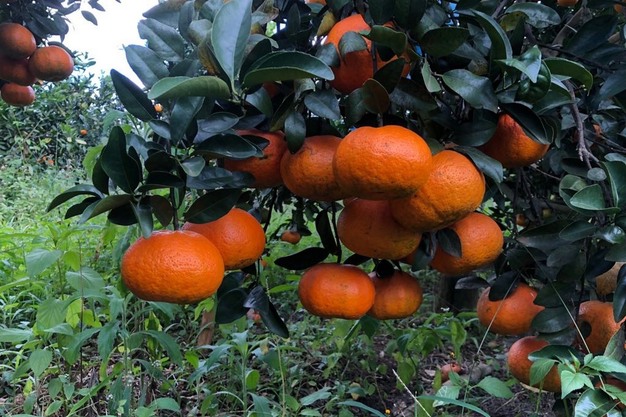
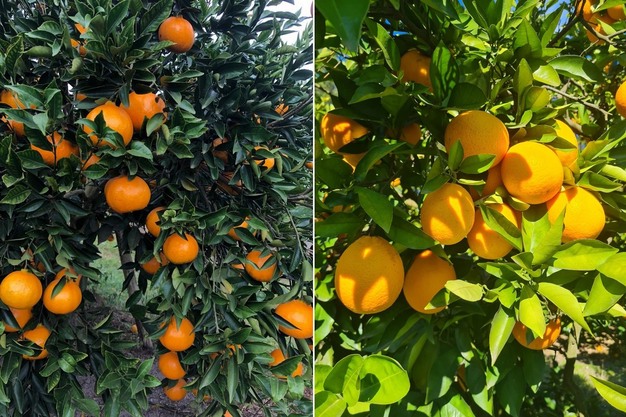
Varela explains that the worst hit came in early July when an unusual frost severely disrupted activity. "We experienced very low temperatures for several days, precisely when exports were increasing," he said. The impact was immediate: 50% to 70% of orange and mandarin production was damaged, causing a month-long halt in shipments and leaving about 40% of the fruit for local markets, short-distance exports, and industry use.
 © CECNEA
Exports were redirected because guaranteeing quality over long transits, such as to Europe or the Philippines, was impossible. "Nobody wanted to risk shipments over 30 days, so we focused on nearby destinations such as Brazil and Paraguay. We also supplied the Philippines and made a first shipment to Ecuador," he said.
 © CECNEA
Despite limited supply, prices haven't offset rising costs. The price of a box of oranges was at the lower end of the mandarin and orange price range. Additionally, this income is limited by Argentina's tax system and a 16% EU tariff on sweet citrus imports, which hampers competitiveness against other Southern Hemisphere sources, Varela stated.
Varela notes that market demands now prioritize quality, safety, traceability certifications, and specific sizes. He also mentioned that many destinations, particularly the United States (which they are working to open), are increasingly requesting seedless mandarins. This crop and varietal adaptation is being accelerated by the NEA.
Regarding Argentina's economic situation, the leader said that Javier Milei's government reforms have simplified procedures and improved financial processes, but have not yet reduced production costs or tax burdens. "The macroeconomic changes have not yet resulted in a direct boost to activity," he stated.
 © CECNEA
Looking ahead, CECNEA's goals include developing new varieties, optimizing logistics, currently hindered by infrequent shipping services, and monitoring the negotiations of the European Union-Mercosur agreement, which could change the tariff framework.
Another focus will be water management. While the NEA has plenty of water, Varela warns that excesses can also cause problems: increased disease spread, thicker skins, and harvesting issues due to wet plants in the morning. "The challenge for citriculture in this region is to achieve a water balance that preserves quality and competitiveness," he said.
 For more information:
Roberto A. Varela
CECNEA
Argentina
Tel: +54 9 3454 09 4638
Email: [email protected]
www.cecnea.com