The global fresh produce industry faces numerous challenges, including banned input products, regulatory compliance lapses, and gaps in traceability, says Shreedhar Bhat of agri-tech SaaS provider Scalion Commerce Pvt. Ltd. "Such issues can impact food safety, restrict access to premium export markets, and also diminish consumer trust."
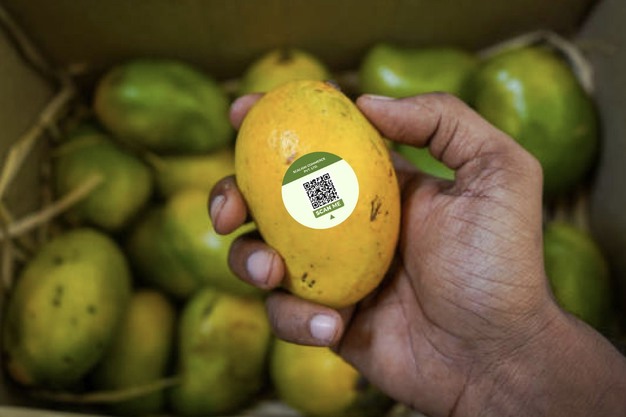
Bhat highlights the role of blockchain technology in addressing these concerns. "An immutable audit trail at the unit level can enable farm-to-fork transparency for fresh produce, be it from polyhouses to organic farms. This translates to verification of authenticity, easing of regulatory compliance, and enablement of quick, targeted recalls," he emphasizes.
Since its launch in 2023, Scalion's supply chain management solutions have been adopted by over 100 agri-businesses and farmer-producer organizations. "The benefits extend across the entire supply chain; Farmers gain access to better markets, exporters reduce rejection rates, processors identify contamination with precision, and retailers build consumer confidence."
 © Scallion Commerce Pvt. Ltd.
Bhat shares the impact of blockchain traceability in fresh produce: "Exporters of produce, including in fresh, frozen, pulp, sliced, dried formats, have seen reductions in export rejections and improved access to high-value markets abroad. The platform is similarly helping coffee exporters demonstrate compliance with international standards such as EUDR, which is critical for trade in Europe." He further explains, "Other features like satellite imagery, RFID-based crate tracking, IoT-enabled packing line automation, warehouse and logistics management, all cover comprehensive upstream and downstream supply chain traceability."
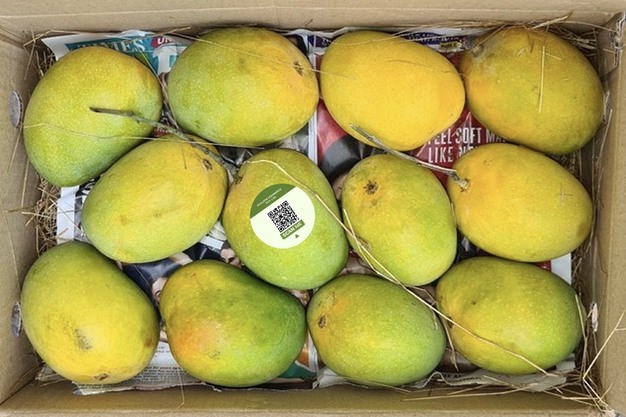
Government bodies are also showing interest in blockchain's potential, Bhat mentions. "Government agencies are really taking notice. They want to prevent banned or unapproved produce and items without quarantine approval from reaching their borders. Blockchain can ensure only compliant products get through," he adds.
 © Scallion Commerce Pvt. Ltd.
Bhat also highlights that demand for blockchain-enabled traceability is strongest where food safety rules are tight, namely in the European Union, the Middle East, and North America. "Certification programs like GlobalGAP, FSSC 22000, and the EU Deforestation Regulation are driving adoption among fresh fruit, spice, and specialty crop producers."
Looking ahead, Bhat expects demand for traceability solutions to grow with tightening regulations and consumer demand. In the meantime, "Scallion is focusing on expanding adoption, especially in emerging markets, and collaborating with retailers and logistics partners to help small producers join global value chains," he concludes.
For more information:
Shreedhar Bhat
Scalion Commerce Pvt. Ltd.
Tel: +91 99 01 577 087
Email: [email protected]
www.scalion.com