A group of Egyptian exporters will participate in a four-day trade mission to Singapore and Malaysia, starting on December 1. The mission is organized by the FAO, the Egyptian Export Council, and the EBRD, and its direct objective is to increase Egyptian export volumes to these two countries. It comes at an important time, shortly before the start of the Egyptian season for citrus fruits, pomegranates, and other products that are in high demand on world markets.
 © Amr Abdelhafiz
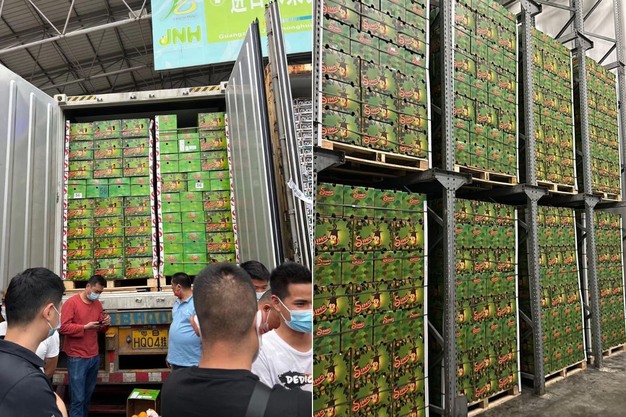
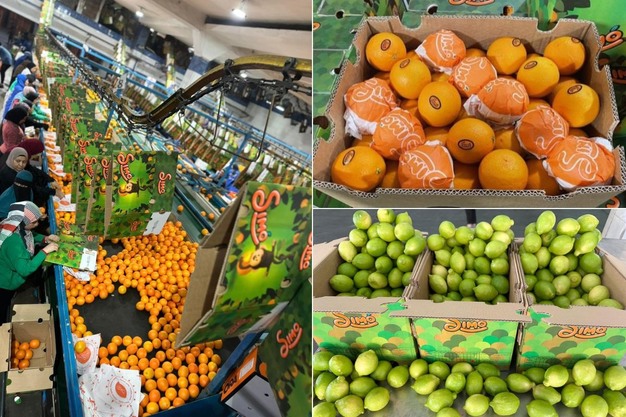
Amr Abdelhafiz, CEO of King Egypt and one of the mission participants, explains: "Fifteen companies have been selected to participate in this mission and meet with Malaysian and Singaporean importers. The products involved are citrus fruits, grapes, strawberries, and pomegranates. At King Egypt, we are delighted to be present as specialists in the export of citrus fruits to Asian markets."
The exporter shares that the outlook for the coming season in these two markets is "very promising." He explains, "Citrus exports to Asian markets have been difficult in recent seasons for various reasons. First, there was the crisis in the Red Sea, which prolonged transit times, shipping costs, and overall prices to an unbearable level and severely reduced export volumes. This was followed by a shortage of oranges last season, and we were forced to end our campaign two months early for the first time. As a result, we have been operating at only half our export capacity to these markets for the past two years."
 © Amr Abdelhafiz
"However, the next season looks set to be easier in our Asian markets. The price of orange juice concentrate has fallen significantly, reducing the rush to supply oranges and resulting in a significant withdrawal of volumes from the pool of exportable fresh fruit. The situation in the Red Sea has almost returned to normal. What is even more promising is that the Malaysian and Singaporean markets have a preference for small and medium sizes, while we have a shortage of large sizes this season in Egypt, as everyone knows," Abdelhafiz continues.
More specifically, the exporter explains that the preferred citrus sizes in these markets are 72/80/88 in Singapore and 72/88/100/113 in Malaysia. He adds that there are sufficient shipping lines available, with two departures per week to Malaysia and two per month to Singapore.
Last season, the markets showed different behaviors in the orange sector, specifically in their imports from Egypt. While orange exports to Malaysia fell by 19% year-on-year, from 36,462 tons to 30,554 tons, volumes exported to Singapore increased by 16% from 11,840 to 13,736 tons. Abdelhafiz said, "Various factors come into play, and we want to understand these in detail during our upcoming meetings with importers and visits to marketplaces."
 © Amr Abdelhafiz
"We approach these markets with one guiding principle: quality and selecting only the very best we have to offer. After extensive experience in the Asian market, where we do almost all of our business, we have learned that importers value quality above all else, and that these markets can be very rewarding or, conversely, very punishing depending on the quality of the fruit. Under normal logistical conditions, we are therefore very optimistic about the development of our business and Egyptian exports to these two countries overall," the exporter continues.
According to Abdelhafiz, signs of sustained demand for citrus fruits are already visible, even before the start of the orange season. "We exported lemons to these two countries for the first time. The global shortage of lemons allowed our customers to discover our offer, and they are very satisfied, boding well for more business in other citrus fruits," he concludes.
For more information
Amr Abdelhafiz
King Egypt
Tel: +201274899339
Email: [email protected]