In response to growing market demand, Seminis (Bayer) is expanding its watermelon range with the Polinesia variety (SVWT3052) for open field production (grafted or not). This is a first for the company, which is now focusing on mini watermelons, a format that is booming. Here is an update from Seminis' development manager.
 © Seminis Vegetable Seeds
The mini format continues to grow in popularity
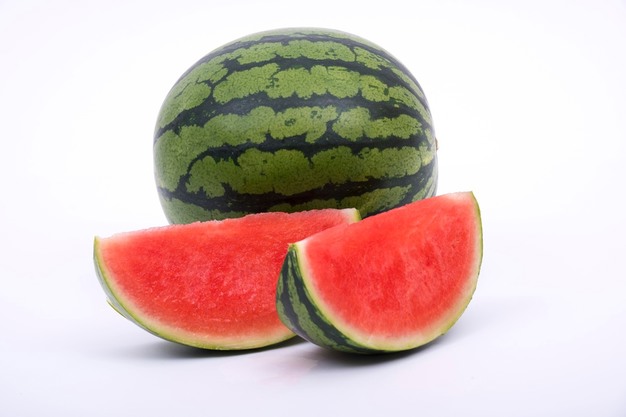
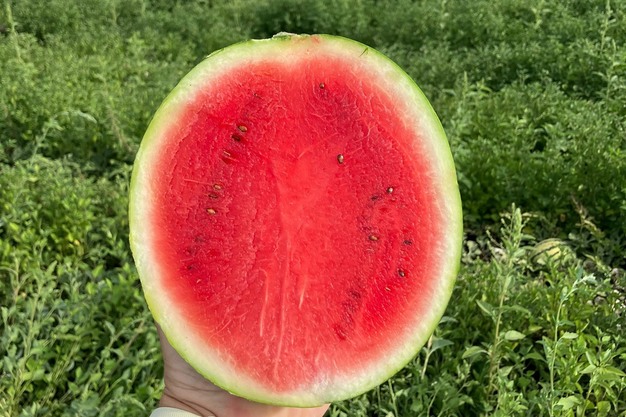
From 5 to 8 kilos for traditional watermelons, the Polinesia mini watermelon stands out with a weight of 2.4 to 2.8 kilos. It is a compact format that is becoming increasingly popular with smaller households. Unlike pre-cut portions, whole mini watermelons offer better storage capacity. "Polinesia is the first mini watermelon in our range. This variety has been specially developed to meet new market trends and expectations: A format more suited to single people or small families. Its flavor quality is also an excellent way to meet these expectations," explains Clara Bourgagrou.
"Uniform size and higher yield potential"
The Polinesia variety is of the Jubilee type (fruit with light green skin and dark stripes) and produces high-quality fruit of uniform size with superior yield potential. Four years of trials were carried out in Spain and France, with particular attention paid to internal quality (taste and sugar content), as well as flesh color and storage potential. "Feedback from growers has confirmed Polinesia's strengths in all these areas. In addition, the quality of the plant has been noted, and its production cycle is particularly well suited to facilitating the simultaneous harvesting of fruit and seedless watermelons."
 © Seminis Vegetable Seeds
A variety with high pollination capacity
"The micro-pine type is an excellent compromise for growers looking for a watermelon that tastes good while meeting the expectations of consumers who want fewer seeds," explains Clara Bourgagrou. "The use of seeded or micro-seed varieties is essential for the production of seedless watermelons, which have to be grown alongside seeded varieties to ensure pollination. Thanks to its high pollination capacity, Polinesia enables growers to boost their seedless watermelon crop, offering strong commercial potential while securing production." Seminis is currently working on developing a range of seedless varieties.
 © Seminis Vegetable Seeds
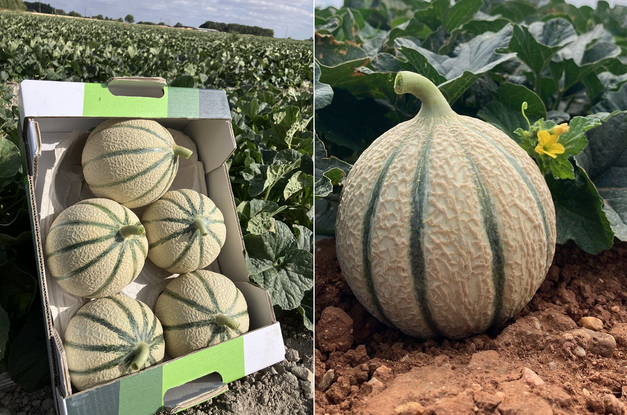
Gospel variety (SVMC4787) to the left, and SVMC2001 variety to the right
Other new varieties in the Melon/Watermelon 2026 catalog
Two other new varieties also feature in the Melon Seminis catalog for 2026. The SVMC4787 variety has been renamed Gospel and joins the Seminis range, positioned between Acapella and Belcanto with a shorter cycle, and the SVMC2001 variety, in the open
field and back-season niche with a short cycle.
For more information:
Seminis
Adeline Guirriec
[email protected]
vegetables.bayer.com/fr