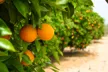
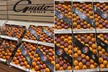
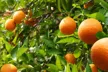
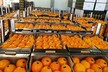
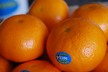
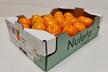
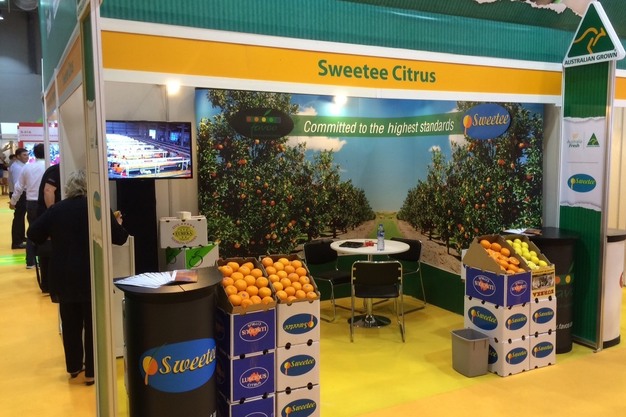
Queensland Citrus (QC) is a large-scale integrated producer of citrus based in the North Burnett region of Queensland, Australia. Incorporating 4 separate irrigated citrus farms totaling over 440ha of planted citrus, QC's location in the heart of the Queensland citrus region supports an early and extended supply of citrus to both domestic and export markets. QC is an integrated business via a joint venture in the region's largest packhouse – Central Fruit Packers at Mundubbera, and via a joint venture in the marketing company – Sweetee Citrus. QC incorporates Sustainability considerations into its management practices, including carbon accounting, biodiversity audits and wildlife corridors, water use efficiency technology, and is Hort360 Reef Certified.
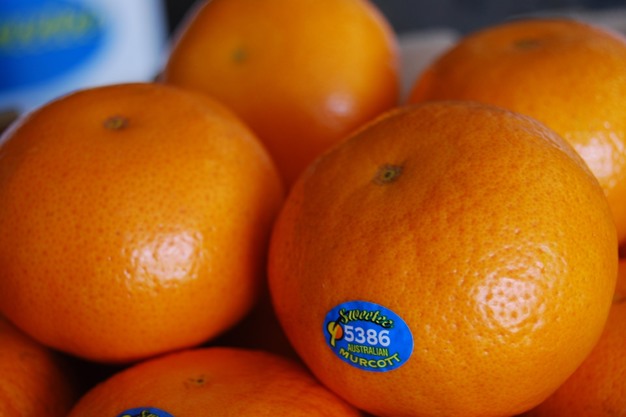
QC's production focus is mandarins, accounting for 69% of planted area, followed by Navel types at 20% and seedless lemons at 11%. QC's production profile allows for an early and extended season across domestic varieties (early Imperials, Tangellos, seedless lemons, limes, Navels), early export (Royal Honey Murcotts, Freemonts, Navels, Taylor Lees & Daises, seedless lemons), and main season export (low-seeded Murcotts, Honey Murcotts, seedless lemons).
 © QueenslandCitrus
"QC has planted several new varieties in its development orchards aimed at being able to supply customers consistent quality right through the Australian citrus season," said Greg Parr, Managing Director at Queensland Citrus. "Oranges – red Navels (Kirkwood and Early Cara Cara), regular Navels (FJ Navel, early season). Valencias – QC's exclusive variety, Honey Ball, a late-maturing, low-seeded eating Valencia. Mandarins – low seeded Freemont and low seeded Daisy targeting early season premium low seeded fruit and Premier Murcott, 15C001 Murcott and CB Murcott all locally bred, extremely low seeded Murcott types aimed at extending QC's Murcott supply from early may through till late September, these varieties deliver sweet flavour, naturally low seeds, strong colour and enhanced shelf life, offering a major improvement over many of the current early and mid-season export varieties in the market."
"This year's growing season saw good growing conditions, with one tree fruit quality showing positive improvements on previous years, with improved packouts. Unfortunately, early in the harvest, through May and June, consistent unseasonal rain had an immediate impact on domestic fruit quality, especially Imperial Mandarins, and impacted shelf life and shipping condition of export fruit harvested through this period, also impacting some of the later export varieties."
 © QueenslandCitrus
Export markets
QC exports via Sweetee to 16 international markets. In 2025, the main destinations for QC fruit have been Taiwan, Vietnam, Thailand, the Philippines, Canada, and China. In previous years, Japan and Indonesia have also been the top 5 market destinations. QC export fruit accounts for between 35% to 40% of total production, with the remaining production split across Australian supermarket chains and the wholesale markets.
"Demand in export markets has been strong for Australian mandarins in previous years, and started 2025 the same. However, inherent fruit quality post rainfall events and in market conditions, cost of living pressure in all markets, and Thailand/Cambodia border tensions slowed demand, reduced pricing, and extended the season. Domestic markets saw improved demand for QC's fruit with improved sales value and volume of all domestic varieties."
Challenges
"The most notable challenge of the 2025 harvest was the impact of slowed demand in all markets, coupled with domestic issues in arguably our best performing market, Thailand, which had on movement of the fruit, especially given the high price asked for some of our current mid-season varieties. A more long-term, industry, whole of crop approach is required, especially in slower market demand seasons."
For more information:
Greg Parr
Queensland Citrus
[email protected]
www.sweetee.net.au