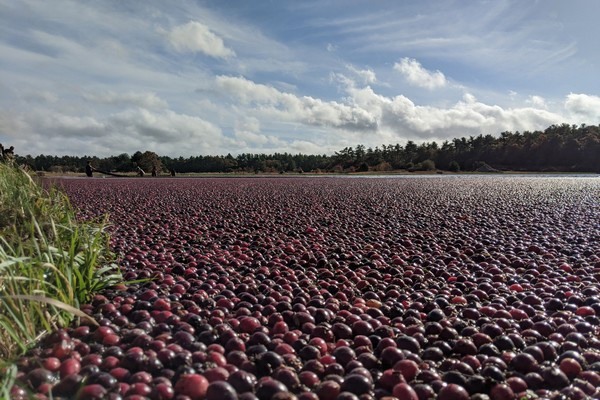
Massachusetts anticipates an average crop of cranberries after challenges with rain during the growing season. This follows an estimate from the National Agricultural Statistic Service (NASS) in August that indicated that Massachusetts expected a 1.75 million barrel crop which is down slightly from 2024's harvest. "We think it will be close to what they estimated–we've heard that some farms did well and some did less than expected, resulting in an average crop," says Karen Cahill, deputy executive director with the Cape Cod Cranberry Growers' Association.
 © Cape Cod Cranberry Growers’ Association
After all, Cape Cod and the islands have been in a significant or mild drought status dating back to 2024, according to the Massachusetts Executive Office of Energy and Environmental Affairs. "The Southeast Region of the state, too, has been in and out of drought conditions this year, which would have an effect on growing," she says. "It does vary from farm to farm because some had adequate sources of water and others had their resources depleted until a big rainstorm in early October, which was perfectly timed. That eased some growers' concerns."
Timing of season
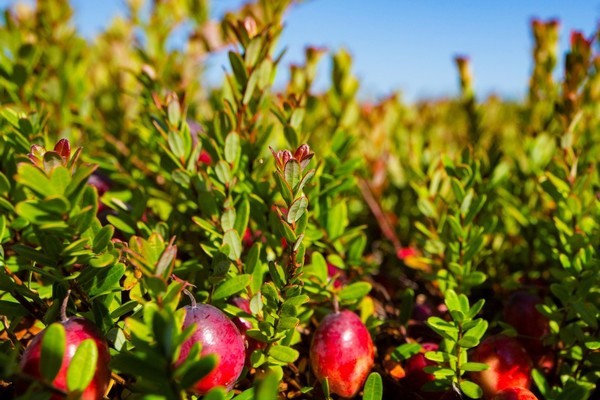
The season also saw an earlier start this year by about two weeks–harvest began in mid-September and finished the first week of November. "The slightly earlier harvest has resulted in good fruit quality, with less time on the vine allowing for rot to set in" says Cahill. "The drought conditions, too, can play a role in fruit quality. Less rain made the bog canopy drier, less moisture means the rot fungi have a less lucrative environment to grow in and that helps with quality."
 © Cape Cod Cranberry Growers’ Association
Meanwhile there have been developments in the state for cranberry growers. "Some growers are utilizing state and federal funding programs to restore underperforming acreage back to wetlands," says Cahill. "More importantly, some growers are leveraging state funding programs to renovate their bogs to higher-yield varieties, which is a critical long-term investment in their farm and the industry."
Another change is the increasing interest in agritourism in the state as an alternative revenue source for growers. "We have between eight to 12 farms that we know of who have booming agritourism businesses. More farms are doing it and the ones who have been in it for a while are doing more and they're having to turn people away," says Cahill. "There is an absolute demand for it."
 For more information:
Karen Cahill
Cape Cod Cranberry Growers' Association
Tel: +1 (508) 866-7878
https://www.cranberries.org/