The clementine season continues with the harvest and sale of the Clemenules variety, whose production was greatly reduced by hail this summer in key growing regions. High purchase prices have so far limited market activity, as sales have been slow due to the longer availability and lower prices of fruit from the Southern Hemisphere, along with unusually warm weather.
"This year, there are fewer clementines, making them more in demand. Retailers and cooperatives have stockpiled them at high average prices but haven't been able to sell them easily. This is mainly because mandarin varieties from South Africa are available at very competitive prices, causing market tension," stated Juan Vicente Moros, Director of Naturem, the Sant Josep Cooperative in Borriana.
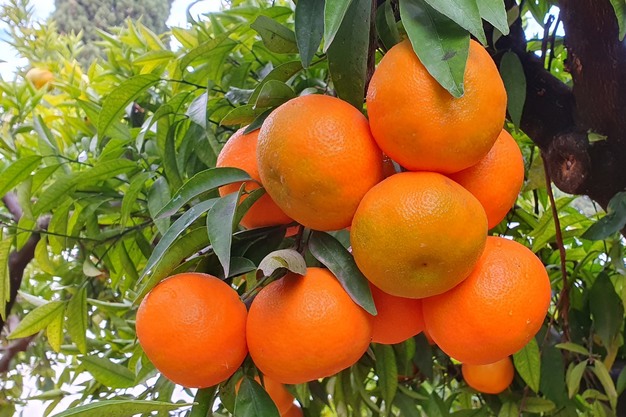
"It's been a tough start to the season. There's still plenty of Oronules to harvest even as the Clemenules harvest, which follows it, has already begun," stated Manuel Malo, Naturem's Deputy Director. "Prices paid to exporters so far have failed to cover the high purchase costs they paid for the fruit amid the abundant late South African supply and Europe's unfavorable temperatures for clementine consumption."
"We hope that the situation will improve once the mandarins from overseas disappear because the Clementines have very good quality and currently offer excellent organoleptic qualities," Manuel stated. "Profit margins for operators will be tight due to average prices paid, so it's important to have a quality crop to maximize the benefits of packaging at the processing facilities," he added.
Naturem brings together a supply of growers, mainly from Burriana, to sell to private businesses and cooperatives. They provide both clementines and mandarins, and to a lesser extent, oranges from the Navel group. "All the production we sell, over two million kilos, is guaranteed payment through our system. We've also launched tienda.naturem.es, an online shop where consumers can buy fruit directly from the field. We are not dealing with large quantities through this channel, but it is gaining popularity," Juan Vicente Moros stated.
Citrus cultivation in Castellón is declining as land is abandoned, mainly smallholdings, and there's little generational replacement because of low farm profitability. Additionally, sourcing labor is increasingly difficult.
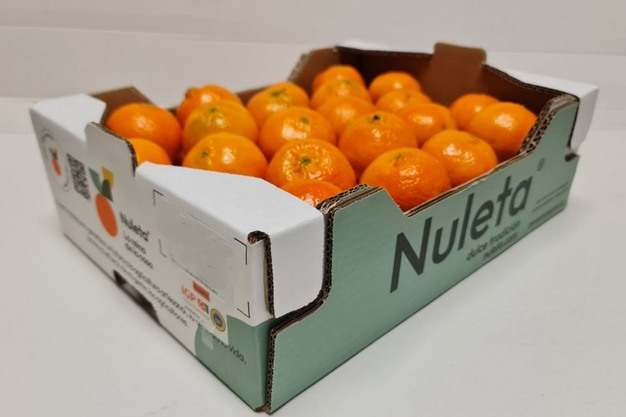 © Nuleta
"Fruit has been profitable for growers over the past three seasons, but decades of hardship have caused many small farmers to quit and discouraged young people from entering the sector. This trend could change if the sector remains profitable. We need to attract consumers with large, high-quality fruit to compete, as many regions now offer fruit," Manuel Malo stated.
To boost the value of Clemenules, a native variety from La Plana Baixa de Castellón, the cooperative continues its work with the Nuleta project. This premium brand aims to add value to Clemenules de la Plana and ensure fair prices for growers. "This year, the Nuleta brand is being sold in Valencian supermarkets Suma and Taula, and negotiations are ongoing for some markets in France. Clemenules from here always taste better," affirms Juan Vicente. "We are working to elevate it further by obtaining the Protected Designation of Origin for Clemenules de la Plana, helping us stand out and secure fair prices for our citrus growers."