Norwegian startup Digel is testing a generative AI platform inside the production facilities of Hoff SA in Gjøvik, marking an early effort to apply this technology directly to factory operations in the country's potato industry.
Hoff SA, a cooperative owned by Norwegian potato growers, is one of the country's main potato processors, handling a large share of national intake and producing finished and semi-processed potato products for retail, foodservice, and industrial use. The company's varied production setup provides a testing environment for Digel's system.
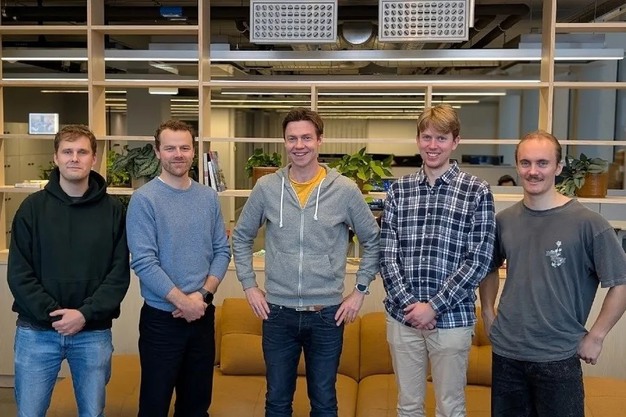 © Digel
Applying generative AI to industrial production
While artificial intelligence has seen broad adoption in administrative and service sectors, its use in manufacturing has been limited. According to Digel, conventional AI models are trained mainly on publicly available text rather than industrial data from factory environments. The company's platform aims to connect large language models to operational data generated by machinery, sensors, and technical documentation.
The software allows manufacturers to model production lines, connect them to live process data, and use generative AI to interpret that information. This setup enables operators and engineers to ask questions in natural language and receive responses based on the plant's own data.
Pilot project at Hoff SA
Hoff SA is the first industrial site to run the system. During the pilot, engineers and operators are structuring production information and linking it to equipment and sensor data. Within the system, the company can model production lines, attach documentation, and link technical records, creating a unified, AI-readable representation of plant operations.
Once configured, Digel's AI agents can access historical and live data streams to assist with troubleshooting and process analysis. Operators can ask questions such as "Why is production slower now?" or "Why are there so many faults in the compressor?" The system then retrieves relevant data and documents to identify possible causes and corrective actions, explaining how the results were generated.
Implications for processing operations
In potato processing, variations in raw material quality, weather, and delivery schedules can affect line performance and yield. Systems that analyse operational data could help operators detect process deviations earlier, improve documentation, and share problem-solving knowledge between teams.
The pilot will assess whether AI tools can support process stability and efficiency at Hoff's facilities. Findings from the project may inform how similar technologies could be applied across the potato processing sector to optimise production and resource use.
For more information:
Christoffer Lange
Digel
Tel: +47 95 74 41 91
Email: [email protected]
www.playground.digel.io