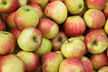
Although the quality of Greek apples is solid this year, there will be lower volumes available this season, says Matoula Katsika, export and sales manager for Greek fruit exporter A.C. Kissavos: "The total apple production in the EU is slightly down compared to last year, mainly due to weather conditions, such as spring frosts and drought in some areas. Poland remains the largest producer, but Italy also has stable quality and better yields. Greece has good quality in Granny Smith and red apples this year, but smaller quantities in some areas, due to the frosts. The demand remains stable. Consumers prefer varieties with crisp flesh and a sweet taste. There is a trend for value-added products, such as sliced apples, natural juices, and snacks."
In Greece, the weather did play a major role in the current state of the apple season, Katsika explains. "Early spring frosts in some areas affected the apple blossom and fruit setting, resulting in reduced production and lower fruit quality. Overheating during the fruit development can lead to faster ripening, smaller fruit size, reduced firmness, and/or a greater tendency for sunburn in the fruit. Reduced soil moisture irrigation, due to less rainfall or extreme conditions, makes it more difficult to ensure good quality and quantity."
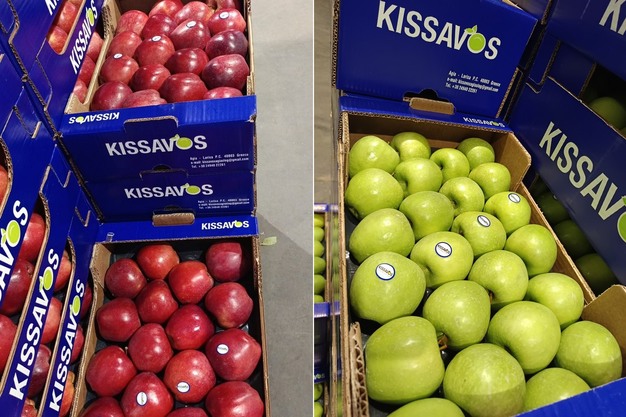 © A.C Kissavos
Even though there are fewer apples to pick, labor remains a challenge for growers, according to Katsika: "Despite the weather problems, the year was quite good in quality, despite the reduced quantities of apples. A major problem that will be difficult to solve is the lack of land workers in Greece. Farmers have difficulty collecting the fruits during the harvest season because of it. They also turn to migrant farm workers from third countries, but it is a time-consuming process."
Katskika states that there are several opportunities in the Middle East, but a traditional market still buys the lion's share of Greek apple exports. "Egypt continues to be the largest market for Greek apples, absorbing nearly 50 to 60% of total exports. Egypt prefers red varieties, such as Red Delicious and Royal Gala. Jordan and Saudi Arabia are growing markets in the Middle East for European apples in general. Greek apples, in particular, are appreciated for their sweetness and firmness. Shipments mainly begin from October through April, depending on the variety and storage capacity. Cyprus is also a good, stable, and traditional export partner. A major advantage is the low cost of logistics, due to the short distance."
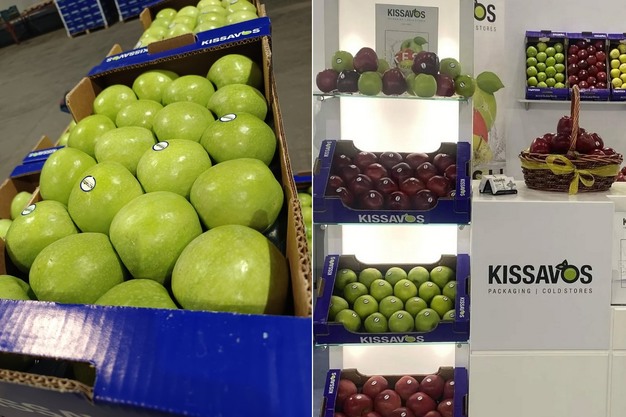 © A.C Kissavos
"The United Arab Emirates and Qatar are both premium markets, with demand for high-quality, well-packed apples. Prices are higher, but so are their expectations for packaging and color. We have expanded our shipments to these countries this year. The Balkan and Eastern European countries, such as Romania, Bulgaria, and Albania, serve as secondary or overflow markets when demand in the Middle East slows down. We do have a competitive advantage here, due to the possibility of road transport and the shorter delivery times. Finally, India's interest in European apples is also increasing, but exports remain limited, due to distance, tariffs, and the logistics costs."
Overall, Katski expects a positive season, with opportunities for those who have quality as a priority, over quantities: "I expect a normal, but not spectacular season. The production should remain stable, but quality and export readiness will differentiate the winners. There's a moderate to strong pricing potential, especially for high-quality fruit and reliable export shipments, given tighter stocks and steady demand. Exporters with good, reliable logistics and selectivity in variety, grade, and packing may see good opportunities. However, those with weaker post-harvest cold chain infrastructure may face pressure either on margin or market access. For our growers, it may pay to focus on quality over quantity this season, managing for the best fruit size, color, and storability, while also reducing defects, rather than just chasing volume," she concludes.
For more information:
Matoula Katsika
A.C Kissavos
Tel: +30 24940 22261
Email: [email protected]
https://kissavosgroup.gr