Spanish pistachio has been gaining ground in European markets in recent years. The first pioneering plantations were in the region of Castile-La Mancha, and others have followed suit.
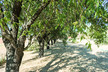
"Twenty years ago, we started with our own pistachio production at a time when there were no plantations in the province of Cáceres, because pistachio was traditionally grown in La Mancha. We started the project after some studies to determine whether the land was suitable; today, we are selling the product fresh, we make all kinds of derived products, and we also have our own processing center," says Ana Pulido, manager of Pistajara.
 © FP
© FP
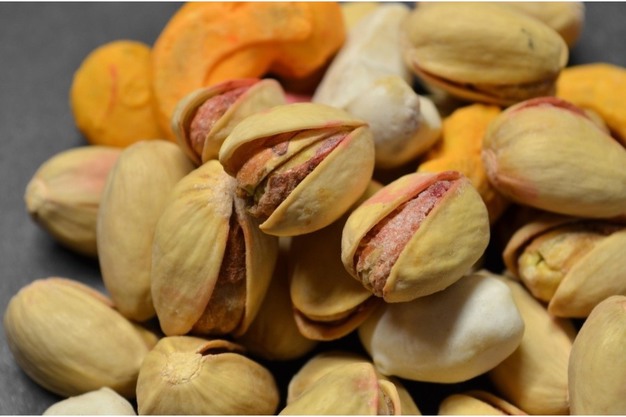
Pistachio is becoming an increasingly common ingredient in many different products, and according to Pulido, "it's not just a fad. Pistachio has a protein content of 21.7%. I think that people are simply discovering the many uses of pistachios and how healthy it is. Moreover, its price is close to that of other nuts."
"Spanish pistachios are becoming highly appreciated in Europe compared to Iranian or U.S. pistachios. All the pistachio that comes from abroad have travelled many kilometers, and this affects the flavor and quality," says the manager.
"We don't have irrigation; we use just the right amount of water, and although we grow it conventionally, we don't use herbicides. In the plantations, we allow natural predators to kill pests, and we maintain the natural vegetation cover of the soil. We take great care to ensure that pistachio retains their authentic flavor," she says.
"It's a crop that needs a lot of care and, after harvesting, it needs to be sorted as open or closed, according to size, and discarding those with stains. All of this is done with machinery that also requires an investment."
In the coming years, "I believe that there will be an increase in the amount of pistachio plantations, even though the first five years are not profitable and you have to wait until at least year eight. The crop is increasingly better organized in Spain, and I believe that it will be possible for it to be planted on all suitable soils. You just have to avoid clay soils and the crop needs some hours of cold and some of heat. For now, Extremadura meets these conditions," says the manager.
For more information:
Ana Pulido
Pistajara
Tel.: +34 616 35 09 65
[email protected]
https://pistajara.es