A biotechnology company in Queensland's Lockyer Valley has developed a DNA-based diagnostic test to help Australian onion growers manage Stemphylium leaf blight (SLB), a fungal disease causing widespread crop losses.
Metagen, based in Gatton, began the research project in August under funding from Horticulture Innovation Australia and support from AUSVEG. The initiative, titled "Rapid test and fungicide resistant screening for Stemphylium leaf blight in onion", was launched following requests from Lockyer Valley Growers Inc. to develop tools for improved SLB detection and management.
 © meatagen AUS
The research team, led by Dr Ben Evert, worked in collaboration with Dr Noel Knight, Dr Neil Wilson, and agronomist Shane Fitzgerald. The group successfully developed a DNA-based test capable of detecting and quantifying the SLB pathogen. According to Dr Evert, the laboratory's mix of agronomists, molecular biologists, and microbiologists, combined with its direct engagement with growers and university researchers, allowed the team to respond quickly to emerging disease challenges.
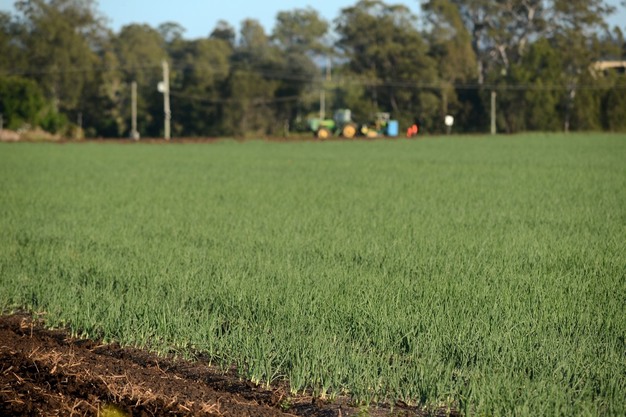
Co-founder Shane Fitzgerald said that SLB had become increasingly prevalent in the Lockyer Valley over the past four years. "We estimate 80 per cent of local growers have had it in the past 12 months with impacts so devastating, some have decided not to plant onions again," he said. "This is a global issue and affects onion growers in all key Australian growing regions. All will benefit from this new DNA-based diagnostic test."
Fitzgerald added that the pathogen often infects lesions already caused by other pests or diseases, leading to misdiagnosis and unnecessary chemical use. "Having a DNA-based diagnostic test helps stop this from happening," he said. "SLB can also survive on a lot of alternative host plants… a DNA-based test can help us identify which alternative hosts are reservoirs for the disease when there are no onions around."
The second phase of the project will investigate fungicide resistance. Fitzgerald noted that SLB's ability to rapidly develop resistance had been documented internationally, and local isolates are now being screened to determine their susceptibility to common fungicides. "That doesn't necessarily mean it will work in the paddock, but it is a great start," he said.
The project results are expected early next year and will be shared internationally. Dr Knight, who has previously worked with Cornell University's onion research team, said the goal was to create a test that confirms the presence and quantity of SLB in infected tissue while also assessing fungicide sensitivity. "This work will support management of SLB and reinforce best-practice fungicide stewardship," he said.
Lockyer Valley Growers president Michael Sippel said SLB had forced some growers to scale back onion production or switch to other crops. "Some have thrown thousands of dollars per hectare at the disease, thinking it's a different disease," he said.
 © meatagen AUSFor more information:
Shane Fitzgerald
Metagen
Tel: +61 (0) 419 656251
Email: [email protected]
www.metagen.com.au