Specialist in hardy apples and head of La Crête and Fontenay for fruit growing and La Grande Ferme for field vegetables, Hubert Achard De La Vente talks about one of his flagship varieties: the Cox's Orange (Pippin).
 © La Crête de Fontenay
"We are probably the European leader in the production of Cox's Orange"
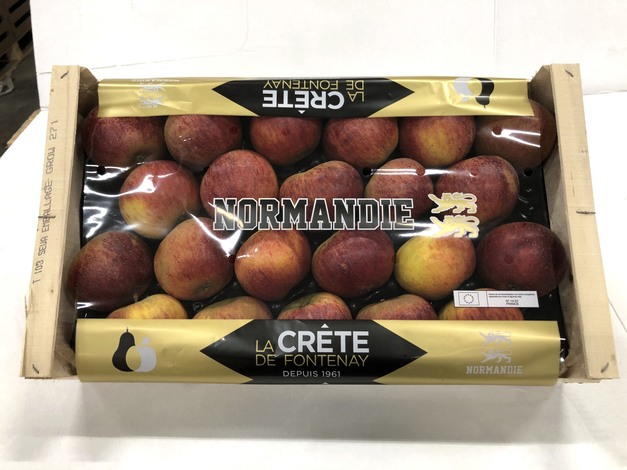
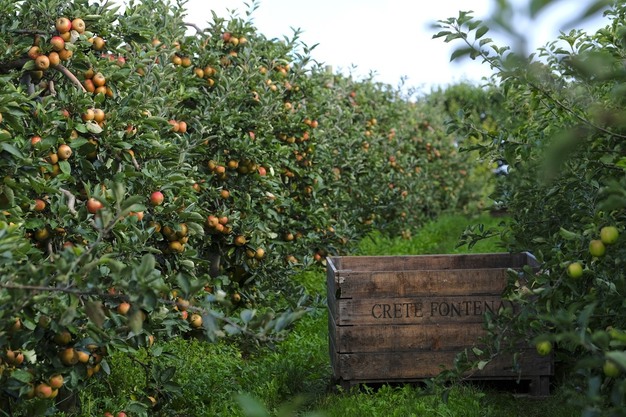
Cox's Orange has been grown in the orchard since its creation in 1961. When he took over the company around ten years ago, Hubert Achard De La Vente chose to perpetuate this emblematic production. Today, the variety occupies 15 hectares, around 20% of the apple orchard, and is expected to produce 600 tons this season. He was keen to continue growing the variety primarily for its taste and technical qualities: a tasty, hardy, resistant apple with moderate vigor, late flowering, and low susceptibility to scab. Perfectly adapted to the soil of Normandy, it flourishes just as well in the north of France as it does across the English Channel. "The crop used to be fairly widespread, especially in Normandy, but also in the north and in the Paris region, but nowadays it is rare to see more than a few rows in orchards. With our 15 hectares, we are probably the European leader at the moment."
 © La Crête de Fontenay
An apple with exotic fruit notes
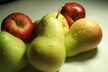
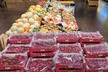
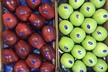
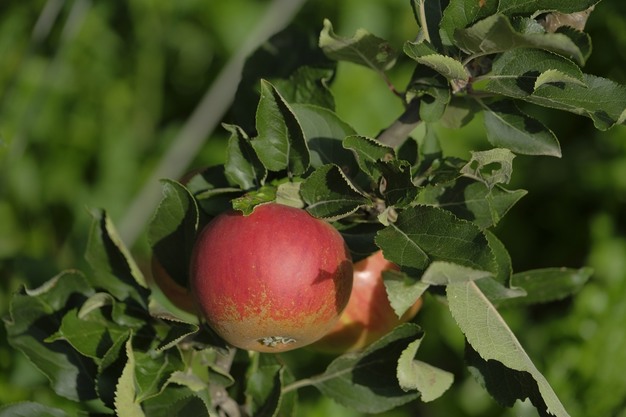
"Cox's Orange is an apple for knowledgeable consumers," admits Hubert Achard De La Vente. "The general public will tend to go for more mainstream and flashy apples, with a shiny red color, for example. Yet, this is a variety that deserves to be better known: firm, crunchy flesh, a perfectly balanced sugar/acid ratio and, above all, notes of exotic orange and pineapple." Marketed throughout France, it is particularly well represented in Normandy and the Paris region by upmarket wholesalers, specialist shops, and supermarkets.
 © La Crête de Fontenay
Crête de Fontenay has 21 hectares of pears (Angelys, Carmen, Comice, Conférence, Louise Bonne, Président Héron, William, William rouge) and 61 hectares of apples (Belchard, Benedictin, Bertanne, Boskoop, Braeburn, Cox, Elstar, Golden Leratess, Goldrush, Granny, Idared, Lafayette, Mairac, Opal, Pirouette, Reinette D'armorique, Reinette grise du Canada, Rosyglow, Rubinette, Topaze). Cox's Orange (Pippin), Conference, and Boskoop account for almost 50% of production, each with 600 tons of potential.
"We are expecting seasonal weather with cooler temperatures"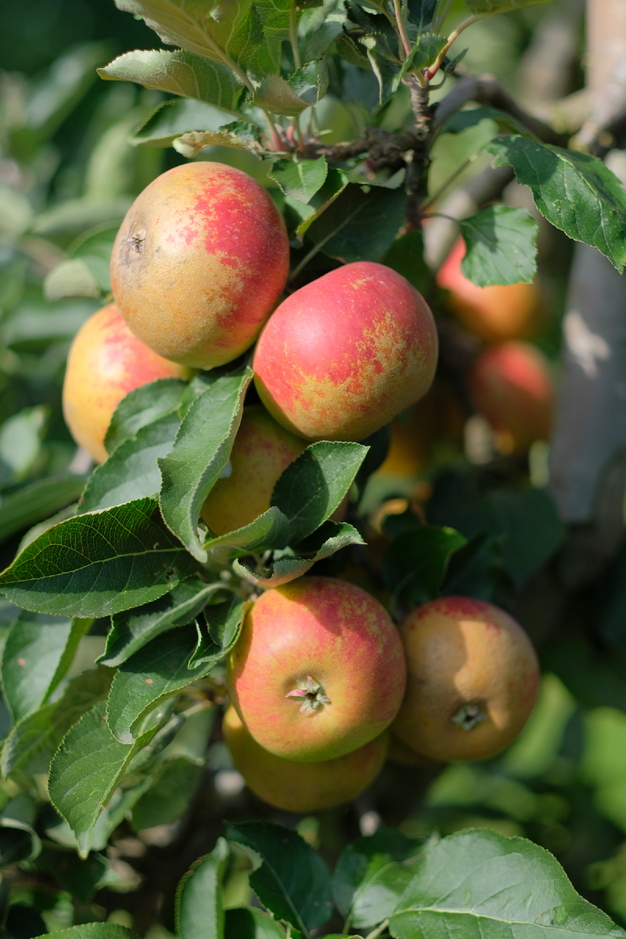 © La Crête de Fontenay
While hardy varieties such as Cox's Orange are not facing the same international competition as more conventional varieties, apple sales are off to a slow start, according to Hubert Achard De La vente. "Consumption is a little sluggish at the moment," according to the grower, pointing to the fact that temperatures are still too high, which is not encouraging people to eat apples. Stone fruits are also still available on the shelves. "In the case of Cox's Orange, our clientele tends to be rural, and many consumers have fruit in their gardens, which also weighs on demand."
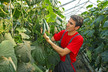
La Crête de Fontenay's sister company, La Grande Ferme, is a field crop and vegetable growing site that has been cultivating potatoes, onions, and, above all, celeriac for almost 50 years, with 30 hectares cultivated for fresh produce, making the company a leading player in the region for this crop.
For more information: © La Crête de Fontenay
La Crête de Fontenay
Phone: +33(0)2 31 79 82 91
[email protected]
grandeferme.fr