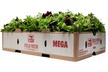
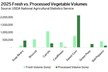
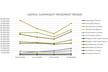
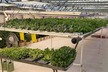
Ukraine's greenhouse vegetable market is expected to face another challenging winter due to unstable electricity supply and rising energy costs. According to Oleksandr Khorev, agricultural market analyst, domestic production of tomatoes, cucumbers, leafy greens, and cabbage could drop to minimal levels. At the same time, imports, mainly from Turkey, will continue to dominate supermarket shelves.
Khorev estimates that from November to March, locally grown greenhouse vegetables will account for no more than 10% of total market supply. "Heating greenhouses is becoming too expensive," he explains. "It's not only about electricity; all types of energy sources are rising in price every year. With the devaluation of the hryvnia, greenhouse production is becoming almost unaffordable."
Turkey remains the primary supplier during the winter season, benefiting from favorable climatic conditions and lower energy costs. "Their energy cost is practically zero because production relies on natural climate factors," Khorev says. "Turkish producers supply most of continental Europe during this period, including Ukraine."
Ukrainian vegetables are still available in some supermarkets, but their prices are much higher than imported alternatives.
During peak demand around the New Year holidays, wholesale prices for greenhouse vegetables have previously reached 150–160 UAH/kg (€3.0-3.25), and locally grown products have occasionally exceeded 200 UAH/kg (€4.0). However, volumes at such prices are small, as many consumers limit spending amid the ongoing war and inflation.
"Given today's prices, the population, which continues to lose purchasing power during the war, simply cannot afford products that are not part of the basic food basket," Khorev explains.
"Prices will only rise until demand collapses," the analyst adds. "In the end, cheaper imports will set the ceiling. Regardless of consumer loyalty to domestic products, most people will choose what's affordable."
As a result, Ukraine's winter vegetable market will largely depend on imports, while high energy prices continue to restrict local greenhouse production and investment.
Source: komersant.ua