The International Fresh Produce Association (IFPA) submitted comments to the U.S. Departments of Agriculture (USDA) and Health and Human Services (HHS) regarding the development of a definition for "ultra-processed foods" (UPFs). IFPA emphasized that this effort is an opportunity to improve the nutritional quality of the U.S. food supply while ensuring that fresh fruits and vegetables remain central to public health and nutrition strategies.
"To truly improve Americans' diets, we need a coordinated effort that makes it easier to eat more fruits and vegetables while also raising the nutritional quality of foods available," said Mollie Van Lieu, IFPA's vice president of nutrition and health. "Eating fruits and vegetables is proven to support heart health, lower blood pressure, and help prevent chronic disease yet most Americans still fall short, even when they understand the benefits."
While dietary guidance recommends that fruits and vegetables make up half the plate, only one in 10 U.S. adults meet this goal. At the same time, six in ten adults have at least one chronic condition, many of which are linked to poor nutrition.
In its comments, IFPA urged USDA and HHS to:
- Explicitly exempt raw fruits, vegetables, and tree nuts from any definition of ultra-processed foods.
- Recognize that convenience and perishability are key barriers to fruit and vegetable consumption, and that minimal processing can improve access and intake. "Value-added fruits and vegetables, like bagged lettuce, baby carrots and sliced apples, and others, should not be classified as processed simply because they undergo minimal handling that can improve fruit and vegetable consumption," IFPA noted.
- Prioritize policies that increase fruit and vegetable consumption as part of the national strategy to reduce diet-related chronic disease.
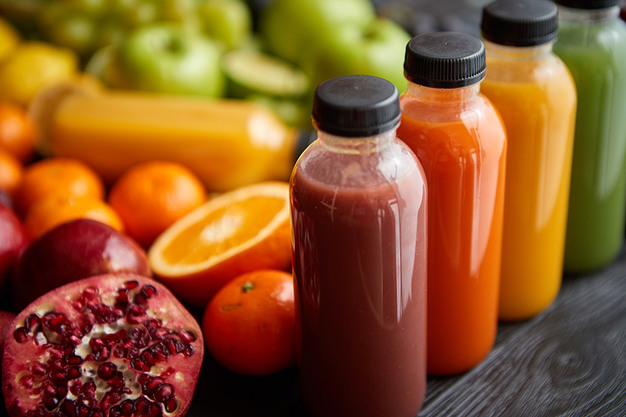 © Daniel Dash | Dreamstime
Beyond addressing UPFs, the organization's recommendations encourage USDA and HHS to strengthen federal nutrition programs and policies proven to increase fruit and vegetable consumption, including:
- Produce prescription programs, which have lowered healthcare costs and improved outcomes for patients with chronic conditions;
- Front-of-package nutrition labeling, to better inform consumers and prevent misleading "fruit and vegetable" claims on products with little or no real produce;
- Supplemental Nutrition Assistance Program (SNAP) nutrition incentives and Women, Infants, and Children (WIC) Cash Value Benefits, which improve affordability and access to produce; and
- School meal and snack programs, including the Fresh Fruit & Vegetable Program (FFVP), which have shown lasting benefits in improving children's eating habits and health.
"As the administration shapes its food and nutrition agenda, we urge that fruits and vegetables be at the heart of all federal health efforts," Van Lieu said. "Simply put, we will not achieve our mutual goal to improve the nation's diet without Americans increasing their fruit and vegetable consumption."
 For more information:
Sarah Gonzalez
International Fresh Produce Association
[email protected]
https://www.freshproduce.com/