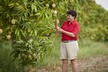
In 2016, Jozua Scheepers and his brother Gerrie almost lost their farm in Nsoko, Eswatini: by that time, half their fields had perished in seven years of drought, and they were taking off a crop on 5% of their sugar cane, which was covering the entire farm back then.
Today, Canterbury Estates' farms are a mosaic of citrus orchards, banana fields, macadamia orchards, maize (corn) and sugar bean, and some avocado trial blocks.
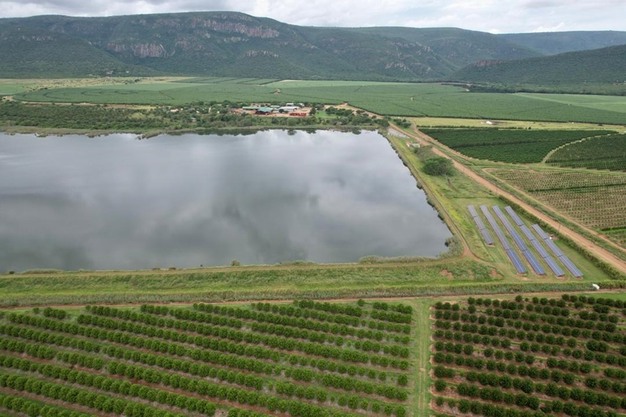 © Canterbury EstatesWhere it used to be only sugar cane, the farm now grows an assortment of fruit, nuts, grain and legumes
Canterbury Estates took off their first commercial lemon crop in 2025, sharing in what was a good year for Southern African lemons. They are expanding their citrus portfolio with Valencias to cut lemon's 90% share to 30%.
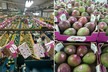
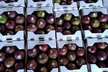
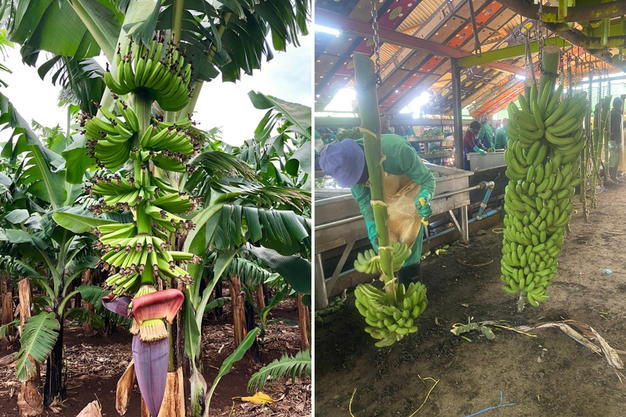
Their banana crop of fifty to sixty tonnes is all traded at many of South Africa's municipal markets. It is well-known that there are grumbles among some South African banana growers at the presence of Swazi, Zimbabwean, and Mozambican bananas on South Africa's markets. He points out that many growers in South Africa exchanged bananas for macadamias and avocados (or pulled up stakes to grow bananas in Mozambique) and that, despite a growth in population, the total banana deliveries to the wholesale markets have remained unaltered over the past twenty years.
Quicker recovery from structural damage
Farming practices also changed after fifty years of sugar cane monoculture. "We had a tremendous amount of sodium in our soil, coupled with the poor quality of our river water as a result of the drought. When the potassium requirements eventually reached a tonne a hectare, we realised we'd come to a point where it was financially unsustainable and also simply not the right way to farm."
They turned to RealIPM's complete soil programme, now in the fourth month of their fourth year of repopulating the soil with RealIPM's beneficial bacteria and fungi, stimulating mycorrhizal networking, completed with humates and fulvic acid from the range developed by Langplaas Organics.
It is an intensive regimen, requiring spraying for two weeks of the month with RealIPM's Real Bacillus, Real Trichoderma, Real Metarhizium 69, and Seabrix to maximise photosynthesis and humates.
"Over the years, we've been cutting down on fertilizer applications. We've been through a few hairy years with cold and wind, and despite that, we've maintained our crop levels. What I am also noticing," he maintains, referring to tough storms in April and May this year, "is a much quicker recovery period after setbacks like wind, hail, and frost damage."
 © Canterbury Estates
They apply RealIPM's soil conditioners to their banana fields and their macadamia and citrus orchards, as well as releases of beneficial insects like the Trichogrammatoidea wasp (product name Real GrammaFIX) and the Telenomus wasp (marketed under Real TeleFIX) from this month until May, among macadamias. It is, he observes, as yet impossible to completely cut out chemicals on citrus and macadamias.
They have, for instance, never seen a single citrus black spot on their fruit since planting citrus in 2021. Keeping it that way requires chemical prevention and continual scouting, and consequently, the scouting teams are enlarging.
Bananas, on the other hand, are less prone to insect and fungal attack and, in fact, they have never had a chemical spray programme for their banana fields, but instead completely rely on RealIPM's biological products to protect the crop.
Knowledge-based pest management motivates staff
At the recent banana workshop organized by Du Roi Laboratory, cultivation expert Connie Fraser told attendees that the sign of a healthy banana field is spider webs all over.
He agrees with Fraser, and he adds: "Something else we find regularly in our banana fields are praying mantises, another predatory insect. The team from RealIPM tells me they've seen insect species here that they've never seen in a banana field before."
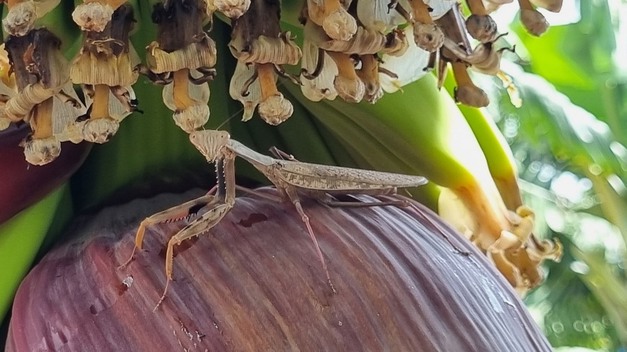 © Johan van der WaalsMantid on a banana flower at Canterbury Estates, Eswatini
At Canterbury Estates, they never place insecticide in the blue bags that protect developing bunches against sunburn. In case of a thrips outbreak on their bananas, they'll turn to RealIPM's Real Metarhizium 69.
The success of integrated pest management leans heavily on a knowledge economy, for which reason he likes sending their scouts for training or inviting to Canterbury Estates representatives from Citrus Research International, the South African Macadamia Association, or RealIPM to share the latest IPM developments with them. The effect of this exposure to experts in the field tells on the enthusiasm of the team, he says, and it shows in the plants.
 For more information:
Jozua Scheepers
Canterbury Estates
Tel: +268 23030 250
Email: [email protected]