Jamaica is exploring the cultivation of the Wambugu apple variety as part of efforts to reduce the country's reliance on imported apples, according to Vivion Scully, Chief Executive Officer of the Agro-Investment Corporation (AIC).
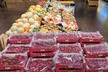
"Jamaica imported over 1.4 million kilograms of apples last year, costing us more than US$1.7 million. Over the last five years, that amounts to over a billion Jamaican dollars' worth of apples imported into the country," Scully said during a recent training session on Wambugu apple production and seedling distribution at the Ebony Park Agro Park in Clarendon.
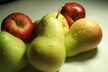
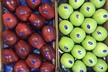
Developed in Kenya, the Wambugu apple is red with yellow specks and is known for its crisp and sweet flavor. It is similar in taste to some American varieties, such as the Juji, but is better suited to warm, tropical climates.
A key advantage of the variety is its early fruiting capacity, producing fruit as early as nine months after planting. Mature trees can yield hundreds of apples each year. "One acre can hold up to 500 trees, and this apple can thrive in hot or cool conditions, and with climate change, that is a positive thing," Scully said. He added that the crop requires little water and can produce up to 30 to 40 tons per hectare annually when properly managed.
Scully noted that the Ebony Park Agro Park, which covers more than 200 hectares, will be the initial site for testing the variety. "We won't grow all of that in apples, but we just need a couple of hectares to get up to speed," he said.
Addressing farmers at the training, Scully emphasized that introducing the Wambugu apple could shift Jamaica's agricultural production model. "The Wambugu apple allows us to flip the script from being importers to producers and even exporters. What you learn today could very well shape Jamaica's next big agricultural success story," he said.
Source: The Jamaica Information Service