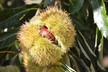
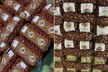
Macadamia cultivation in Myanmar has expanded to more than 4,850 hectares, with Shan State as the largest producing area, followed by Kachin State, Chin State, and the Mandalay Region, according to the Myanmar Trade Promotion Organization under the Ministry of Commerce.
In Ywangan Township, Shan State, macadamia nuts are harvested twice a year, in spring and autumn.
On 22 September, the General Administration of Customs of the People's Republic of China (GACC) announced phytosanitary requirements for Myanmar's macadamia nuts. The new guidelines allow imports of locally processed nuts that have undergone peeling, drying, and sorting.
China identified four quarantine pests: Trogoderma granarium, Mikania micrantha, Cenchrus echinatus, and Chromolaena odorata. Hard-shell macadamia nuts must be dehydrated using drying machines and must be free from pests and impurities. During processing, nuts with physical damage, cracking, mould, or weed seeds must be removed.
The Ministry of Agriculture, Livestock, and Irrigation will inspect macadamia nuts intended for export to China to ensure compliance with Chinese import standards across farming, processing, and storage facilities. Businesses meeting these criteria will be submitted to GACC for registration.
Packaging must use clean and hygienic materials that meet food safety and plant quarantine standards and prevent leakage during transport. Before shipping, the Ministry will also inspect transport vehicles to ensure they are free of pests, weed seeds, insects, plant debris, soil, and other contaminants, in order to meet hygiene and quarantine requirements.
Source: New Light of Myanmar