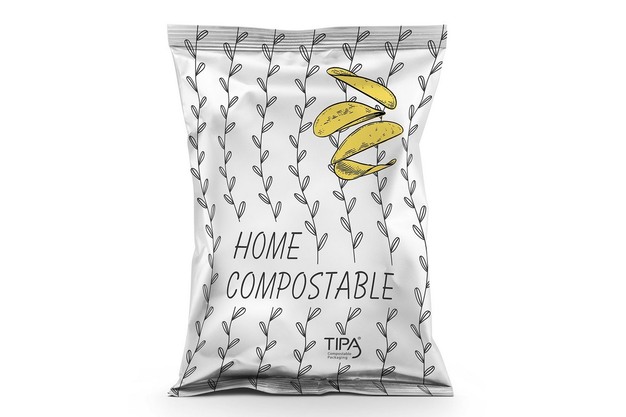
Tipa Compostable Packaging, a manufacturer of compostable flexible packaging, has added four new high-barrier film and laminate products to its portfolio. The company says demand for sustainable flexible packaging is increasing, and the new laminates are intended to provide compostable alternatives compatible with existing packaging machinery.
Applications include single-serve and sachet formats, salty snacks, protein and drink powders, nutraceuticals such as vitamins and gummies, ground coffee, tea, and other products. The laminates are printable and sealable and are designed with both paper and transparent print layers, giving brands options to align with functional and design needs.
 © TIPA
According to Tipa, the new laminates provide moisture and oxygen barrier properties that allow a wider range of foods to be packaged in compostable materials without reducing shelf life. "With more than 40% of consumer goods packaged in flexible packaging and less than 1% of these being recycled in the United States, there is a need for more brands to choose sustainable options for their products. Tipa's new high-barrier solutions offer more products the ability to protect goods and maintain shelf life with the same durability and longevity achieved by conventional plastic, breaking the glass ceiling for compostable packaging solutions and allowing more brands to join the movement," said Daphna Nissenbaum, co-founder and CEO of Tipa.
The company stated that compostable alternatives to non-recyclable materials are designed to support circularity in flexible and multi-layered packaging. "Consumers enjoy the convenience of single-serve packets of everything from powdered drink mixes to their daily vitamins. Now that convenience does not have to create more waste and brands can continue to deliver the products their customers want while contributing to a sustainable future," said Nissenbaum.
Tipa's existing portfolio includes compostable films, laminates, and other applications. The company produces in Europe, North America, and Australia to serve regional markets.
Source: Sustainable Packaging News