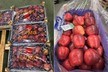
India has dispatched the first trial shipment of 1.2 metric tons of Garhwali apples (King Roat variety) from Dehradun to Dubai, as part of efforts to increase and diversify agricultural exports. While apple exports are being promoted, India remains a net importer of the fruit.
Commerce and Industry Minister Piyush Goyal, addressing growers in Srinagar last month, said that imported apples already enter India with a Minimum Import Price of Rs. 50/kg (US$0.60/kg), combined with a 50% import duty and additional cesses. Including clearance, marketing, branding, transport, and distribution, the retail price rises to Rs. 125–150/kg (US$1.50–1.80/kg). He noted that apples are imported at Rs. 75–80/kg (US$0.90–0.95/kg). "The government already protects apple growers," he said, adding that balancing grower concerns with the demands of 1.4 billion consumers is necessary, as making apples too expensive reduces demand. India's domestic production is insufficient, with 450,000–500,000 tons imported annually.
At the flagging-off ceremony, Commerce Secretary Sunil Barthwal asked the Agricultural & Processed Food Products Export Development Authority (APEDA) to expedite the opening of its regional office in Uttarakhand to support exports from the state. APEDA aims to expand exports of fresh fruits, millets, pulses, and organic products. Current agricultural exports from Uttarakhand include jaggery, confectionery, and guar gum.
APEDA is working with farmers to improve access to international markets by addressing infrastructure, connectivity, and post-harvest management challenges. The authority is promoting Good Agricultural Practices (GAPs), adherence to international quality standards, and compliance with import regulations. Improvements in cold chain, logistics, and post-harvest handling are under development.
The agency is also supporting organic certification and Geographical Indication (GI) tagging to strengthen recognition and traceability of Indian products in export markets. Expansion into Europe and Southeast Asia is a priority. In addition, an MoU has been signed with Lulu Group to trial exports of regional products through its international retail chains.
Source: CNBC TV18