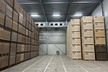
Fresh produce businesses around the world continue to navigate significant challenges such as rising costs, labor shortages, trade tariff uncertainty, and extreme weather disruption. As a result, their temperature-controlled storage and transportation needs are changing.
 © GCCA"Week by week – and at times, hour by hour – cold chain operators respond swiftly to the fresh produce industry's changing needs. They are also looking to the longer-term, investing in the services and facilities for the fresh produce logistics needs of the future," states Sara Stickler, President & CEO of the Global Cold Chain Alliance (GCCA)
"Resilience and flexibility are two key priorities in today's cold storage and refrigerated transportation, forged through longer-term relationships between supply chain partners, creativity in finding solutions to challenges, investment in new systems and technologies, and the skill and expertise of food industry professionals. These priorities in cold chain service delivery have both been central to meeting the challenges of fast-paced change and frequent disruptions that the fresh produce and logistics industries have experienced in recent years across the globe."
As well as supporting resilience and flexibility, emerging technologies in temperature-controlled logistics are also propelling progress in efficiency and sustainability. From on-site renewable energy generation and low-emission fleets, to automation and AI-driven systems, today's modern cold chain is investing in the global food logistics needs of the future.
 © GCCA
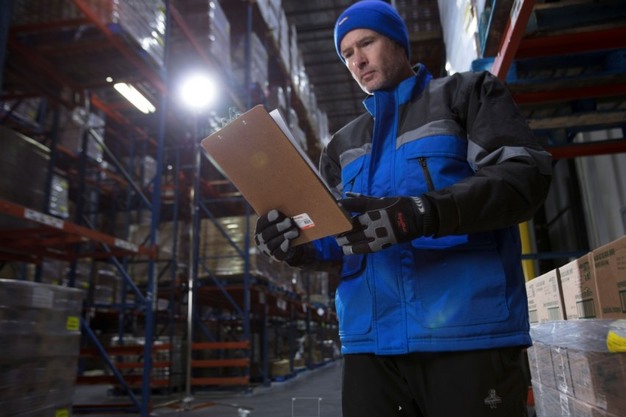
"Advanced temperature tracking and reporting is one such key technology, increasingly widely adopted in fresh produce supply chains around the world. This is providing valuable temperature visibility throughout the entire supply chain, enabling swift action on any issues and providing data that can help improve journey efficiency, security, and temperature assurance.
"The cold chain has invested in innovative technologies and systems to ensure the temperature-controlled supply chain is prepared for potential challenges the fresh produce industry may face. These investments will allow for not only continued resilience but also the flexibility to tackle whatever the future holds.
"Great uncertainty remains about the impacts of the shifting global trade landscape. While governments barter and businesses try to plan for the unknown, we can be sure that if a realignment occurs, cold chain providers are well-positioned to adapt and innovate in order to serve customers' changing needs."
The overall picture for the cold chain worldwide is one of growth. Cold storage capacity has increased significantly over the past decade in response to high demand for fresh and frozen food, and this growth is expected to continue. In emerging economies, progress in developing temperature-controlled logistics networks is helping tackle food loss and supporting better nutrition, food safety, and healthcare. In developed nations, the growth in cold chain capacity is providing fresh produce customers with greater choice of services, supply routes, and markets.
"As growers and producers continue to navigate inescapable volatility in yields, temperature-controlled storage and transportation are enabling greater stability, supporting expansion during bumper crop years, and also facilitating the building of reserves for challenging periods. Third-party temperature-controlled logistics remain vital partners within the fresh produce supply chains serving customers around the world with safe, healthy options."
For more information
Isabel Davidson
GCCA
[email protected]