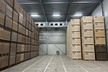
The Himachal Pradesh Horticulture Department and Energy Efficiency Services Limited (EESL) have formalized a partnership by signing a Memorandum of Understanding (MoU) to establish solar-powered micro cold storage systems across the state. The Director of Horticulture, Vinay Singh, explained that this project will assist in prolonging storage durations for produce, enhancing pricing conditions, reducing food waste, and transitioning to more environmentally friendly technologies, thus decreasing greenhouse gas emissions.
These solar-powered cold storage units are designed to hold 10 metric tons and will be implemented with an approximate investment of ₹20 lakh. The government, under the Mission for Integrated Development of Horticulture (MIDH), will provide subsidies of ₹10 lakh ($12,050) without necessitating a bank loan for the recipients. According to Singh, reinforcing the cold chain infrastructure serves to not only boost farmers' income but also supports a self-sufficient and environmentally protective approach aligned with the India Cooling Action Plan.
The solar-powered cold storage project aims to address the monthly 5,000 metric tons cold storage deficit in Himachal Pradesh. EESL is responsible for installation, technical compliance, annual maintenance contracts, and IoT-based monitoring systems. A four-year evaluation plan is in place to assess the project's performance and maintain transparency.
Farmers will receive subsidies via direct benefit transfers to their accounts. Key outcomes include reduced fruit and vegetable waste, stabilized pricing for growers, adoption of clean energy technology, and enhanced local agricultural value chains, which collectively contribute to long-term environmental and climatic advantages.
Source: Himbumail